Friday, 17 December 2021

A Christmasy trip round my churches


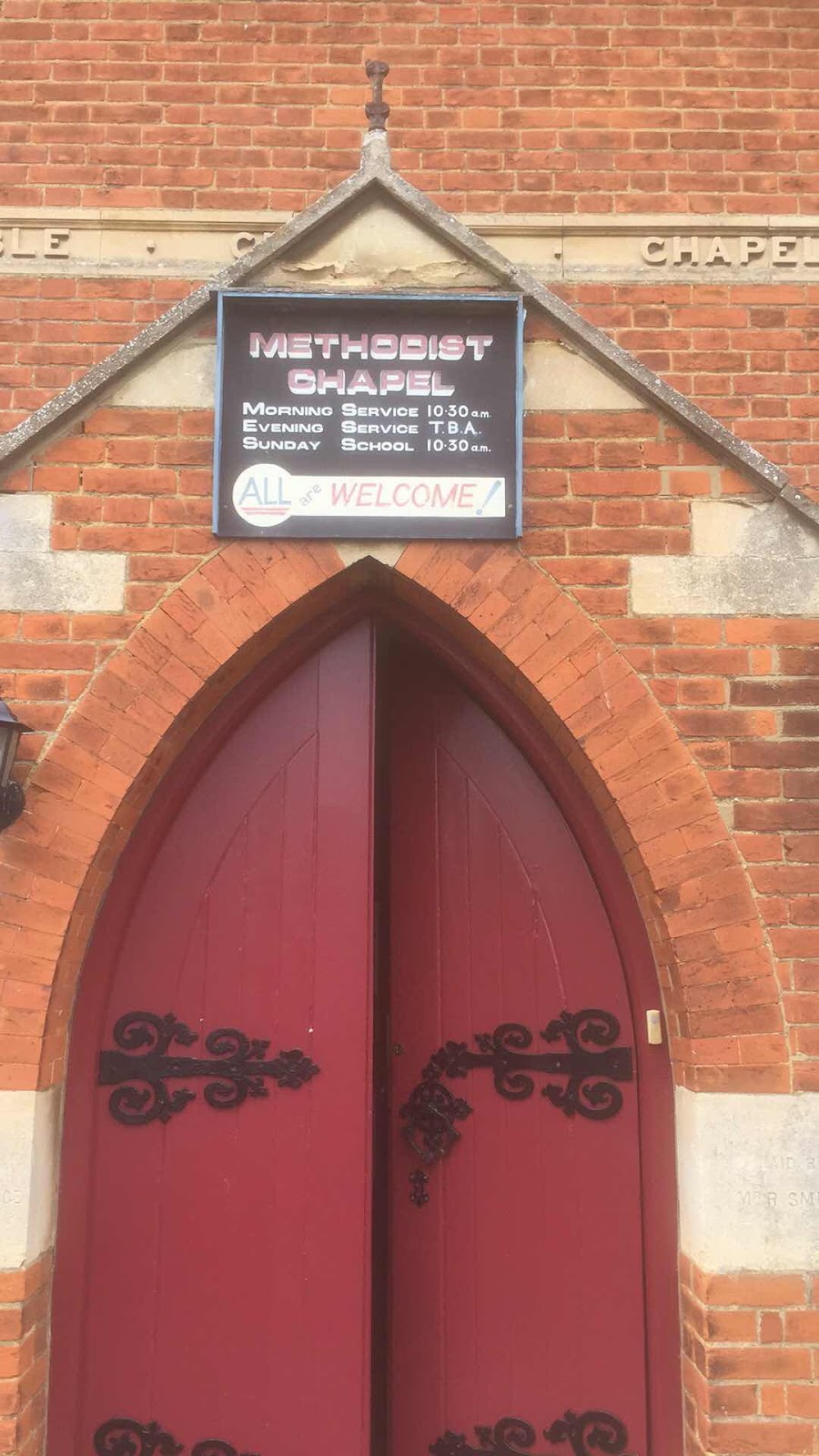
With my weekend plans suddenly being changed I found myself this morning rushing round to all eight of my churches delivering our Christmas cards to each place so people can have them on Sunday. It was a glorious, crisp and clear winter’s morning and I used the almost three hours it took to do a lot of miles to think about what’s been happening in each place, to pray for them and to celebrate their contexts and hopes. 

So come with me on a blog tour round my vast rural patch! 


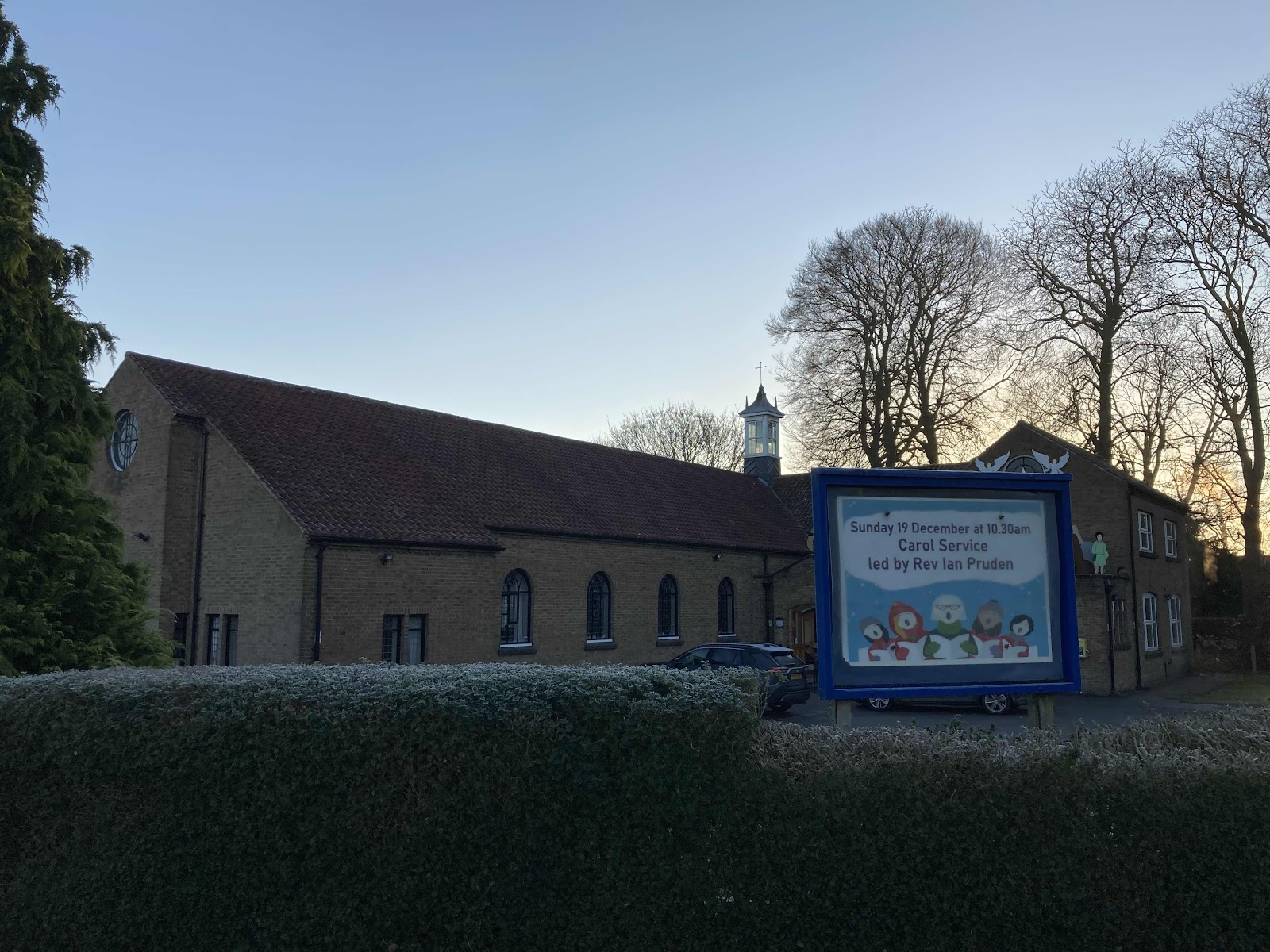
The first stop this morning in the ice, was to Harrogate Road with its nativity figures on the roof, an annual local highlight at Christmas. Harrogate Road continues to be well used by the community and has a lively nursery on the premises. The congregation has just had a church review and as a result a new coffee morning will begin on the first Friday of every month beginning in January. 


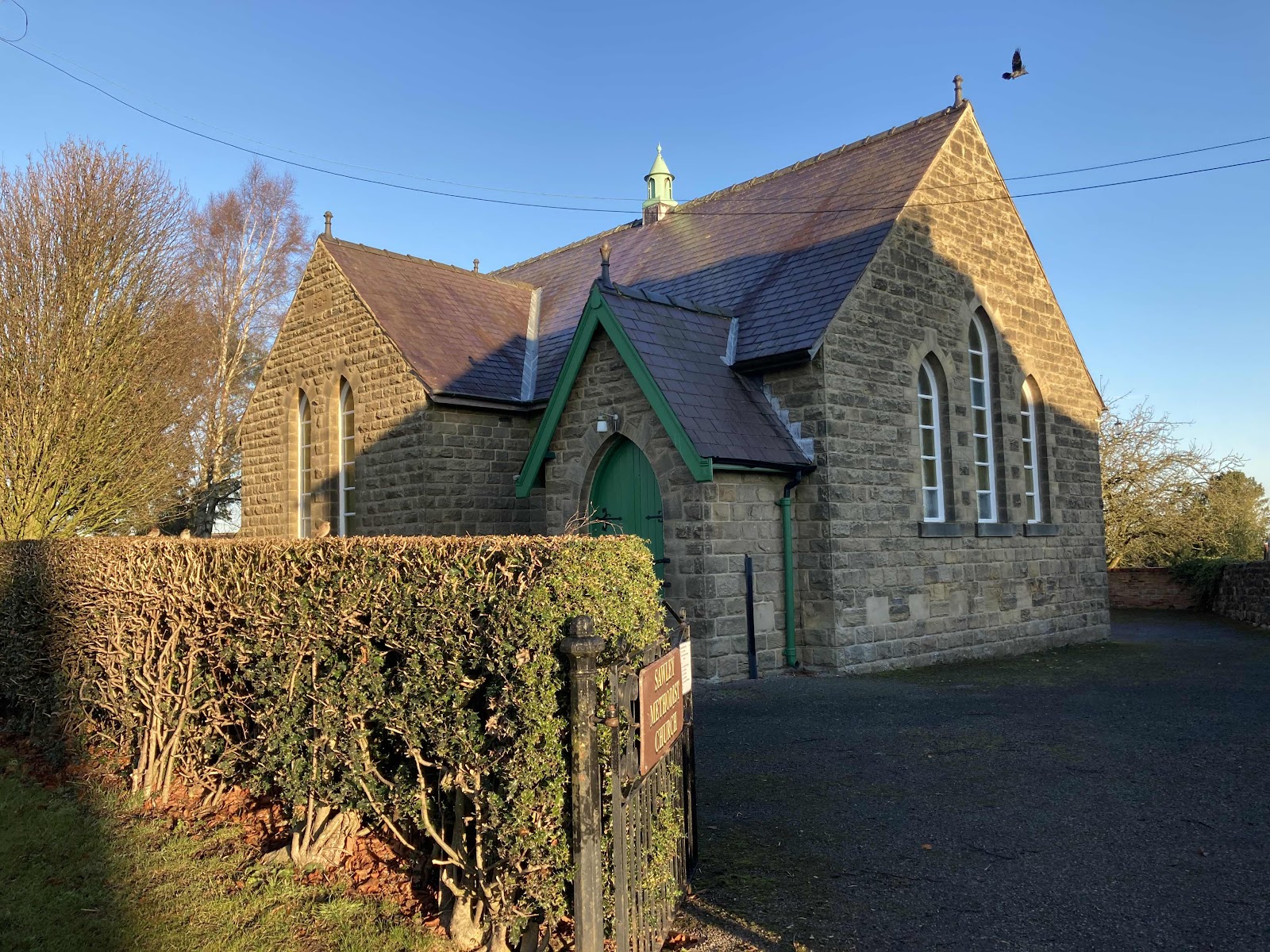
The second stop was Sawley chapel. Sawley has seen its 2pm service grow this year. We now attract people from a large geographical area who find afternoon worship works for them. We recently hosted a quiet day and we are planning major outreach round the Queens platinum jubilee in June next year.


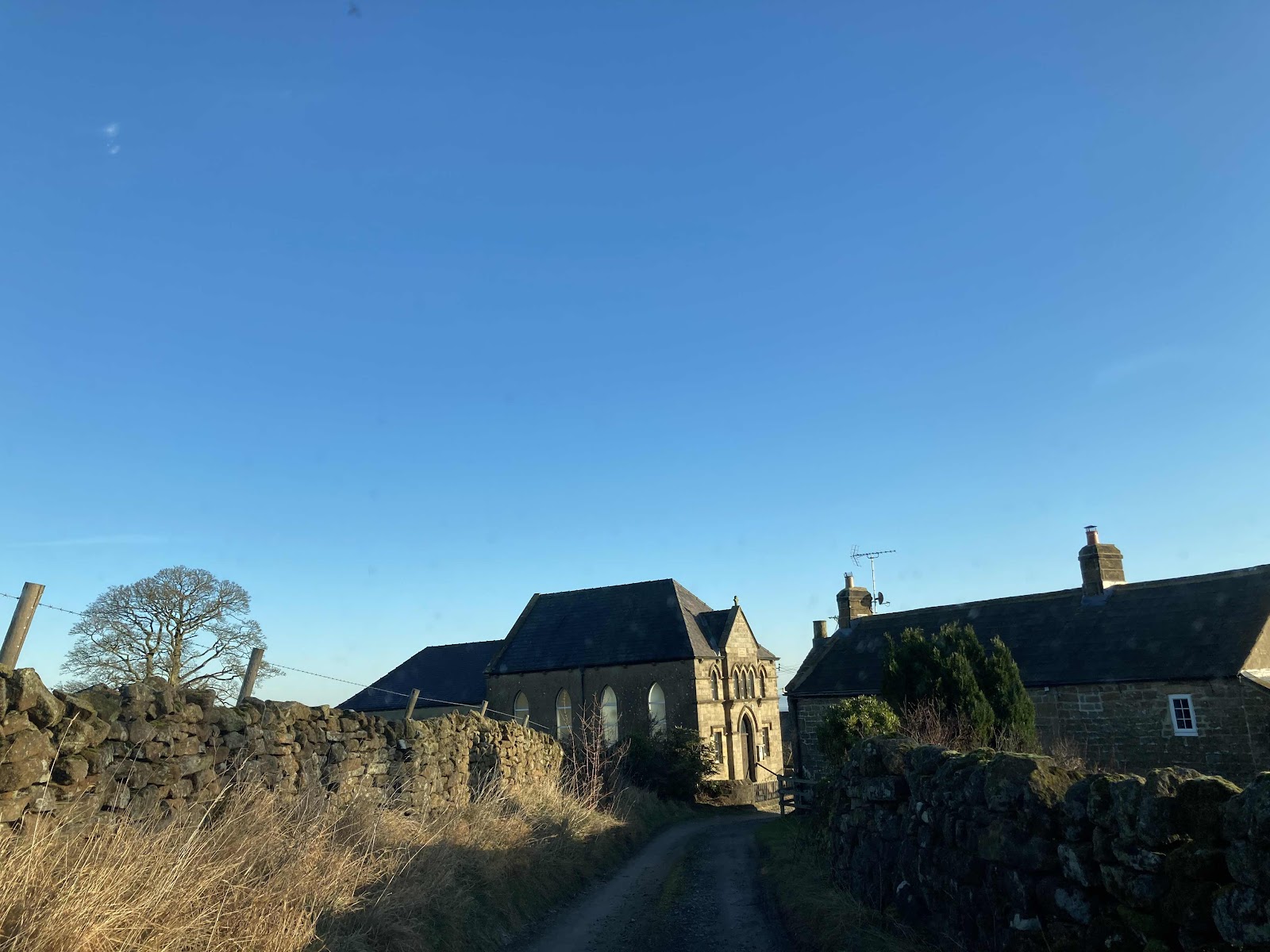
The third stop was Dallowgill via the edge of Nidderdale and across Dallowgill Moor, which was looking glorious in the winter sun this morning.


Dallowgill has had a good year and its small congregation has grown in confidence as we’ve put confidence in them as a viable resource in a unique rural setting. 


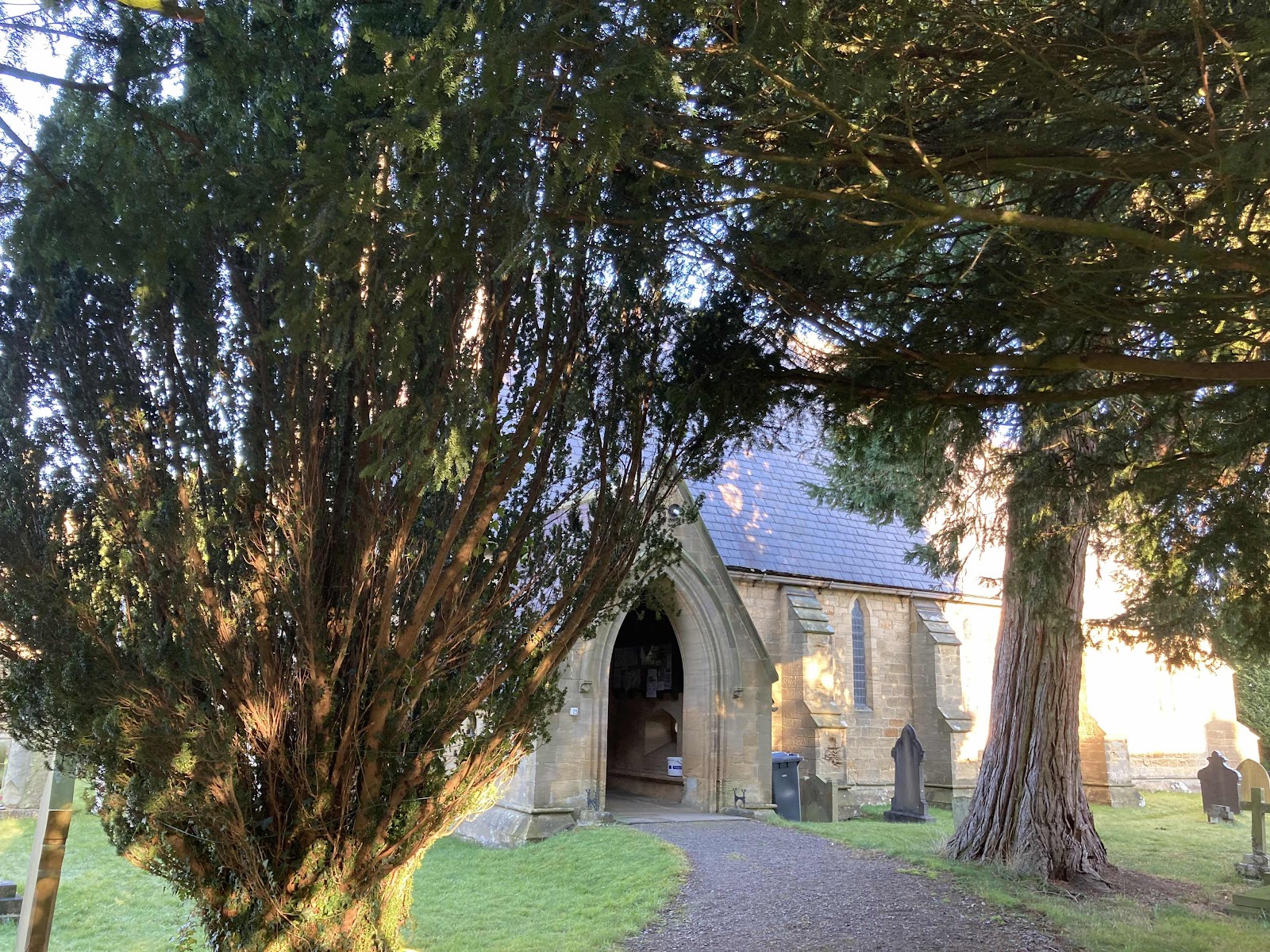
The chapel was looking Christmasy this morning…


The fourth stop was Kirkby Malzeard. Kirkby chapel is at the heart of the village which is a delightful community. We love the pub and the tea room and the chip shop and the local shop of an amazing amount of delights in a small space! Kirkby have struggled as we haven’t been able to open to the community during the pandemic but we were glad 42 came last Sunday to our carol service following a leaflet drop. 


My fifth stop after a loo break was to our LEP in Grewelthorpe. It’s been fun to get to grips with being the Methodist minister in an Anglican and Methodist shared church. We are beginning to plan a major refurbishment project and new mission policy. The folk at Grewelthorpe are a delight and I love being with them. 


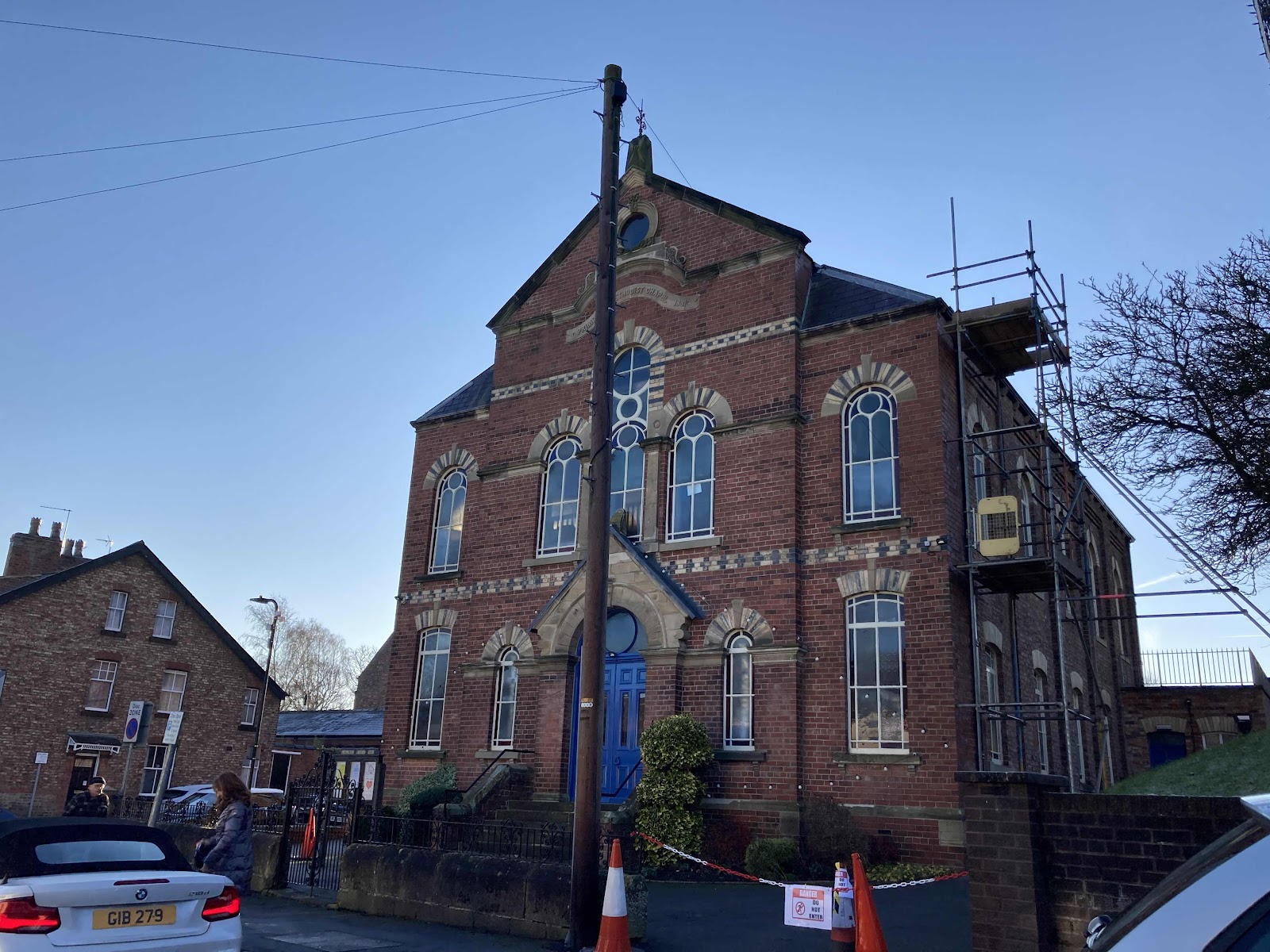
My sixth stop (are you keeping up?) was to Allhallowgate in Ripon city centre. Despite a sign saying do not enter due to roof trouble, we are beginning after hard work largely by our Deacon to see us working with the community. The soft play for toddlers on a Friday which started a few months ago is now booming, and recently a new social group for the “young at heart” began. Our 99 member church is beginning to discern priorities and our premises are well used by bookings every day so the place is always busy. 


My seventh stop was to the chapel at Bishop Monkton. We are currently working towards a nearly £200K refurbishment which will enable us to serve our community more effectively through a much larger kitchen and multi purpose worship space and other adaptations. This is very exciting and should (!) happen by the autumn of 2022.


My last stop after nearly three hours out and about was to Boroughbridge. We’ve been working towards a small refurbishment of our hall and toilets and at the moment we are preparing to open a community fridge on our premises in partnership with the local Lions, community care group and Morrisons, which will see our premises used a lot more. We hope this will open in March. We are also doing a lot more with our C of E friends in the town, which is good. 


While in the church, I had a little walk upstairs…


Our amazing stained glass…


So after eight places visited in three and a half hours I reached home again! It was a useful exercise to see my whole patch in a morning. Sometimes as this wretched pandemic has gone on it’s felt like we haven’t done a lot and all we’ve done is be restricted or locked down, but actually in small ways God is working his purpose out and foundations for growth are being laid. We shall see what 2022 will bring. 

I’m very aware friends haven’t been able to visit so I hope this little tour has given you a glimpse into where I work and live and travel every day. It’s a lovely part of the world. I’ve had to learn though things don’t go fast in rural parts…especially like when you suddenly like half way round this morning find yourself following a tractor with manure on the back of it. Yuck! 


Wednesday, 24 November 2021

Advent Sunday - time to refocus


Passage for reflection: 
Jeremiah 33: 14 - 16

Do you ever long to be able to start again? Are there times when it feels life has been a mess and you just wish you could turn the page and start a new story and leave all the rubbish you’ve been through behind? 

Advent is my favourite season of the church year. In Advent, God invites us to see him coming again. Advent is all about God’s coming meeting our deepest longings and reminding us that in the end all will be well. 

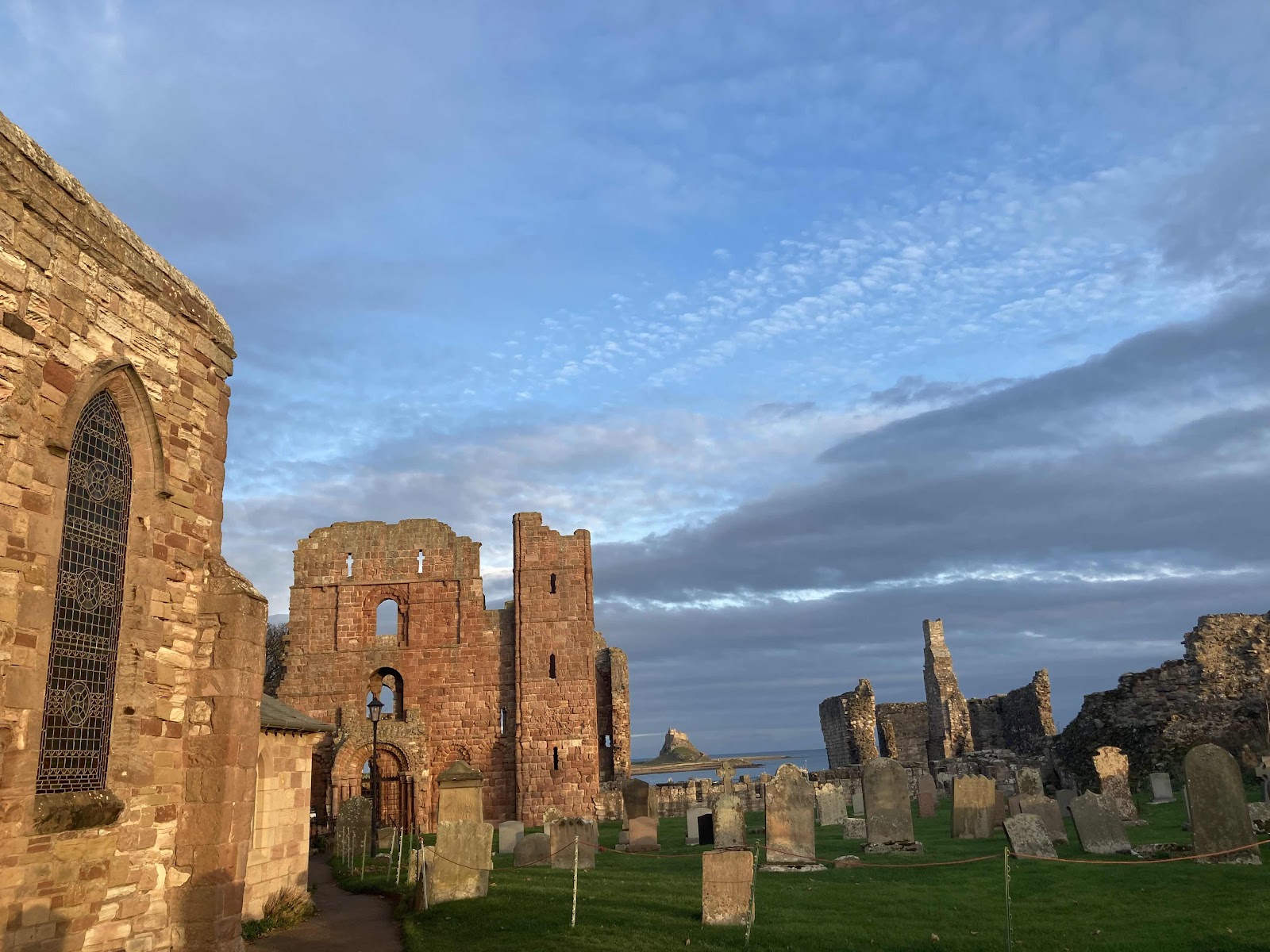
We’ve just spent a week on Holy Island. We haven’t been to the Island since March last year, apart from a brief lunchtime visit to meet some friends in September, a few months ago. For me, the Island, when I sit and stop and enter its beauty and its story heals my anxieties, refocuses my head on right priorities and lifts my spirit to find the love and power of God all around me again. That today is full of problems, but that God in Christ comes and will come. Remember Advent isn’t Christmas come early or even a countdown to Jesus’ birth. We remember how Jesus came long ago, but Advent actually is about expectation of a second coming and a judgment by God how ready we are to receive him in new ways. If God were to come, how would he find us? It’s rather like the manse inspection! Do we have to tidy up before it happens or could we open the door and know we would be fine? 


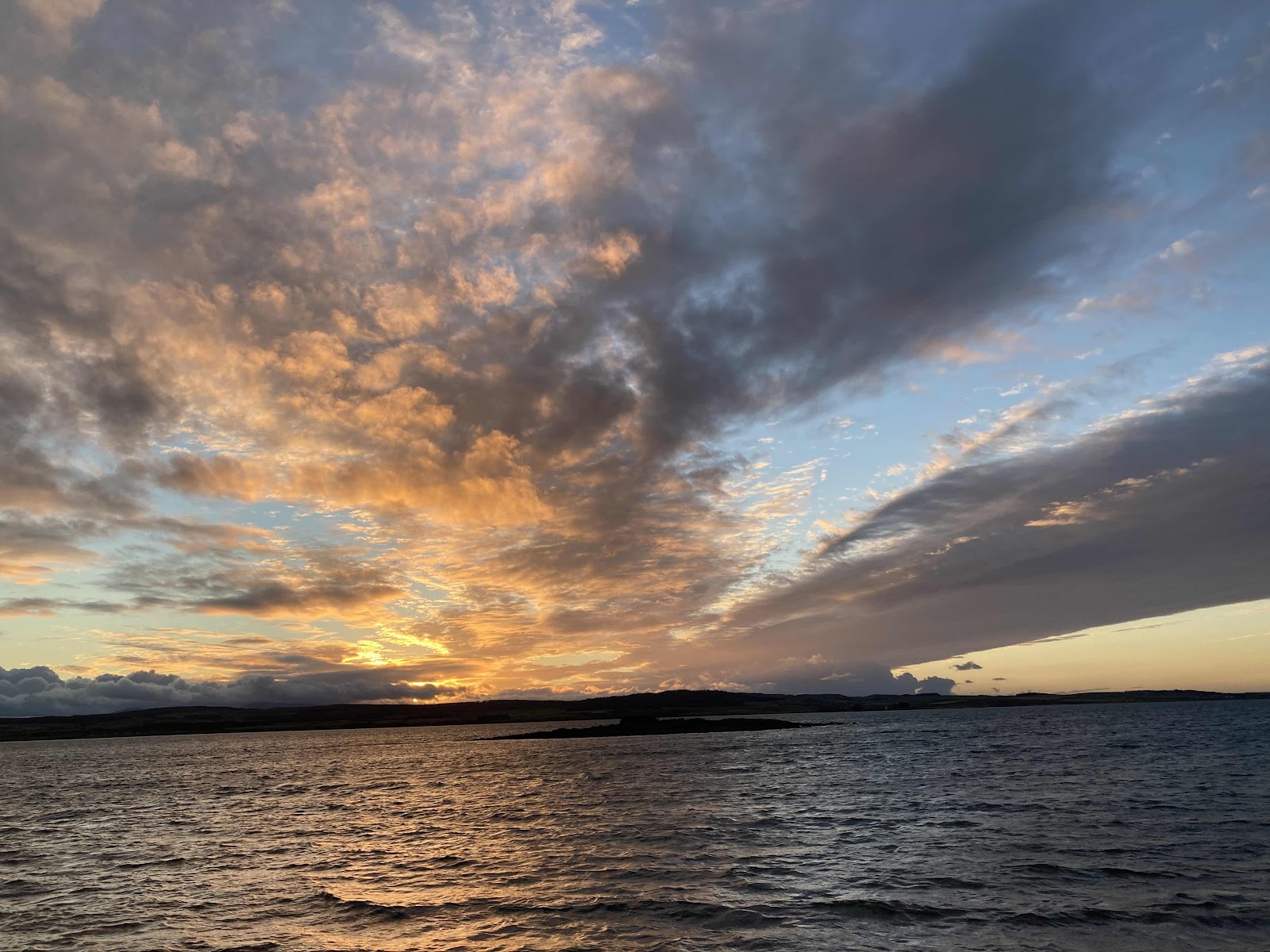
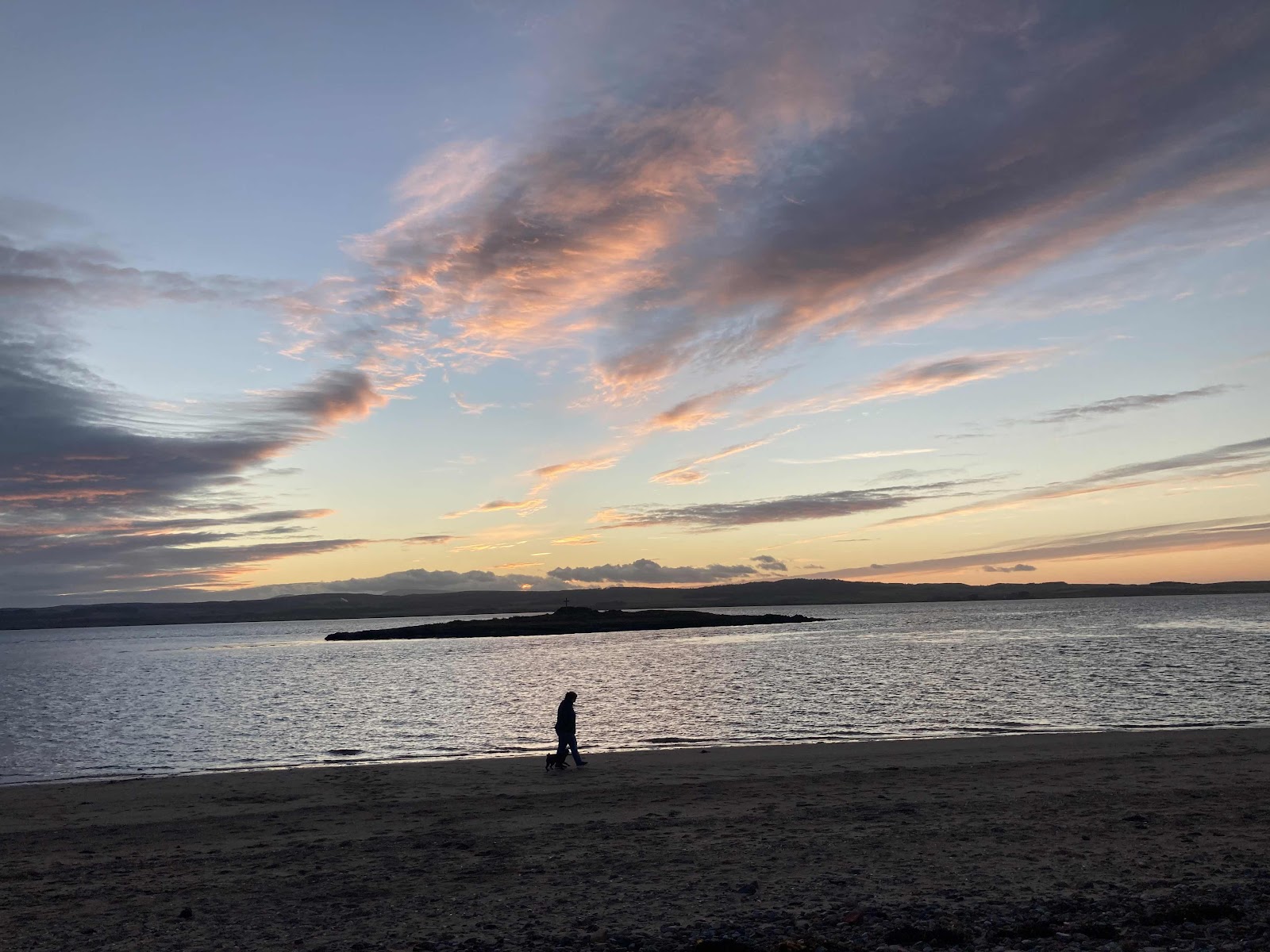
I don’t usually include a picture in these blogs but this week I will. Here’s St Cuthbert’s Isle. Look at the colours.


Several times this past week I’ve sat on a bench at sunset and have encountered a theophany. The heavens have declared the glory of God! I’ve like all good church people have been bogged down with how we keep the church going or the latest things we have to deal with like safeguarding or votes on whether we will permit same sex marriages on our premises or working out our plans for Christmas. Sitting and staring has opened my heart and my head again to God’s intention. He wants to come again and restore his relationship with me so I can flourish as his child. 


Advent Sunday brings an invitation to us: the invitation to trust in God who, in spite of our experience of desolation, and hey, how desolate have we felt these last two years nearly - this God will indeed bring consolation. The promise will be fulfilled. Justice and righteousness will be the blanket that wraps around us. So prepare the way, for ‘the days are surely coming' when this good, this love, this righteousness will come in the form of our saviour – the Christ who is both fully human and fully divine.

How will you use this holy season? Try not to do Christmas too early! We had a minister come to my home Circuit from the Uniting Church of Australia. He was called Brian Whitlock. A fabulous man! But Brian would not let us sing any Christmas carols until Christmas Day! I got his point. I’m having an Advent carol service on Advent Sunday evening. All the carols are about judgment and hope and a radical new manifestation of the divine breaking into our drab, worrying and unconfident world. 

I suggest we all need a Holy Island moment in these weeks. David Adam wrote this some years ago in a little pilgrim guide to the Island:

“ We all need to seek our own Holy Island, a place that is sometimes set apart and cut off. If we do not have a Holy Island we need to create one. We need to be able to carry a Holy Island in our heart. Place is important and we all need a holy place, a sacred place, a place where we meet with the Holy One.” 


I found this helpful paragraph on the Episcopal Church website in the United States:

“Waiting is a time to look around and recognize that all is not as it should be or could be. Waiting is the time to lean into these feelings of longing. It is a time to lean into those feelings that not all is right, and that there is something better to come. It is a time to dream; it is a time to imagine. When we wait, though it seems that death and suffering run rampant and unrestrained through our world, we dream of being comforted. We dream of being reunited with loved ones. We dream of a time when God is going to make everything alright. To echo the words of Jeremiah, we dream of a time when God’s promise is fulfilled, and all will live in safety and in flourishing. We dream of a day when God will execute justice and righteousness throughout the land.”

Then this prayer from the Church of Scotland:

Loving God we are in awe and give grateful thanks for all the good things in life.
We know we don't always get things right.
When we lose focus and direction, 
set us back on the right path of love.
When we feel cross, and bitter words leave our lips,  remind us of the abundance of your love.
When we feel overwhelmed by daily tasks,
show us the power of stillness;
empower us with inner, quiet strength.
When we turn from you,
turn us gently back so that our focus is on you, on love, on light, on the
goodness at the heart of all creation.


What do we long for? What’s God waiting for us to stop and see? Do we believe he comes now and will come one day in glory? My readers, Christmas and its glitz can wait and it will come and that’s okay - but let’s have an alert, honest, and open minded Advent. He will come when we are least expecting it and you know what - if we’re frazzled he’ll find us a bench and he’ll say sit and look, I’ll make the colours sing again for you. I’m here and I’m coming again. Get ready! 


Saturday, 13 November 2021

Remembrance Sunday 2021


Passage for reflection: John 15: 5 - 13 

“Greater love has no one than this,” says Jesus, “that they lay down their life for their friends.” On Remembrance Sunday, across this country, people will gather to remember the sacrifice of so many young men and women who for our tomorrow gave their today. At 11am, in silence, today, and last Thursday, we pause to remember and give thanks, and we think about the world they fought to create, and we think about our world and pray for its future. 

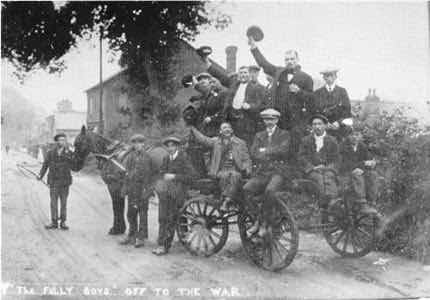
My family come from a village in Hertfordshire called Wheathampstead. Part of that village is called The Folly. It was a community where everyone knew each other and many were related to each other. The little chapel I grew up in had memorial windows at the back of it to honour its fallen. I have a picture at home of some young men really excited sitting on a cart which belonged to the local rag and bone man. The picture is called “the Folly boys go to war” - they were off on a patriotic adventure, escaping from drab existences. One of them was my grandfather, Harry Smith. Harry fought in the Battle of the Somme. He survived it, but only just. A bullet went through his chest and out the other side. Some of the others on the cart did not return. 


I’m very aware as we stand by war memorials we will hear names read out. Those people are now part of history. But we honour them and name them so that they and countless others are not forgotten. They like my grandad and his mates on that cart, were ordinary souls. They had no idea many of them would not come back, that they would give their lives for their friends. 

Brian Bilston is a poet who writes poems on Twitter mostly. He writes very powerfully and this year my thinking about what to say about Remembrance have been helped by his poem called “Three Postcards”:

The first one came from Weston-super-Mare
with the newly-built Grand Pier in view,
a bright, gleaming promise of the future,                
and the sea, an impossible blue.

Unfamiliar, that neat hand, the black fountain pen.
But she knew he was the one, even then.

The next, she received eighteen months on:
Tidworth station, as viewed from Church Hill.
The foreground, a row of thatched cottages;
the barracks beyond; fields, silent and still.

She propped it against a vase on their mantelpiece,
a wedding present from her niece.

The last, a busy scene from Boulogne,
a censor-passed, heaven-sent souvenir.
‘Crossing rough – but I made it!’ he’d written.
When it’s all over, we should come here!’

She clutched it tight as the baby moved once more.
The telegram had come two days before.

We find it almost impossible now to imagine what the two world wars were like. Imagine receiving that telegram as a young woman. You waved your beloved off on the cart, or on the train. There was no texting or FaceTime. You waited for letters or worse… 


Can we comprehend what the trenches of World War One were like or the fighting in the air, on the sea, across country in both world wars? I recommend you watch the deeply moving Peter Jackson film “They Shall Grow Not Old” - it’s on BBC2 on Sunday night. There’s real film of real situations there.  Or I recommend the film 1917 which was shot in real time. It’s not an easy watch but again it helps us understand the sacrifice and the carnage. The Times of 28 August 1916 described the Somme like this:
“The earth shook, the ground and all that was on it turned to dust. Chaos reigned. No one who has ever experienced war could ever forget the horror, the early death, the waste, the pain, the suffering.” 

Can we grasp the horror in those who served and survived that war to end all wars when they saw it happening again just 21 years later? I’ve had church members in the past tell me how they saw their parents shudder with fear as they gathered round a radio to hear Neville Chamberlain speak on that September day in 1939. 

Can we really know what those who returned from war suffered and still do? For Remembrance includes the likes of Korea and the Falklands and Iraq and Afghanistan and it reminds us to give thanks and remember today’s young people serving in our armed forces across the world today. This year is the centenary of the founding of the Royal British Legion. It was on Sunday 15 May 1921 that a small group of ex-Servicemen and representatives from the four organisations, The National Association of Discharged Sailors and Soldiers, The British National Federation of Discharged and Demobilized Sailors and Soldiers, The Comrades of The Great War and The Officers' Association walked to the Cenotaph in London. As Big Ben struck nine, the four men representing the organisations laid a wreath with the badges of the four organisations that would officially unite to form the British Legion.

We must not underestimate the achievement. Those four founding organisations did not entirely see eye to eye, with differing purposes and political affiliations, but the sheer scale of the suffering of ex-service personnel and their families meant internal disagreements were overcome to produce a concerted and united effort to care for those who had suffered as a result of service in the Armed Forces during The Great War, whether through their own service or through that of a family member, and to care without distinction of rank or position. Indeed when the constitution of the newly formed British Legion was agreed it was proposed by a junior soldier and seconded by a General. There were to be no divisions in this outpouring of compassion and assistance – no distinction of rank or status.

Over the last 100 years the Royal British Legion has passed on to successive generations the ideal expressed in the motto of ‘Service before self’ – calling all of us, in whatever forms we can, to service and compassion: to return to our text: greater love has no one than this that they lay down their life for their friends.” 


On this Remembrance Sunday, what does that text mean for us? I think as we remember that sacrifice so many made for our freedom and our future to be in peace, we use the silence to think about our own lives. Are we selfish or are we sacrificial? We follow one who gave his life freely to save us from ourselves, to show us that love conquers hate. A poppy appeal one year said “the best way to honour the dead is to care for the living.” So we stand and remember, and then we resolve to work for a better world, putting “service before self”,  that motto of the Legion.

Those men and women who went to war or who serve in today’s armed forces, like the men on the cart pre joining the Hertfordshire Regiment in 1914, went out because they believed in creating the greater good, a world of peace and understanding, where the tyrant and the evil one could not win. Today we honour them, and for us remembering must lead to resolution. If you are like me you look at the world and wonder what you can do. But I leave you with these two thoughts: the words of Edmund Burke we think:

 “The only thing necessary for the triumph of evil is for good men to do nothing.” 

And then: “Let there be peace on earth and let it begin with me.” 

Like those who fell, God calls us today to responsible and sacrificial living. 
Greater love has no one than this. 


Saturday, 30 October 2021

Halloween reclaimed?


Passage for reflection: John 11: 32 - 44

I’m really not sure about Halloween which falls this Sunday. It now seems to have become another commercial date which we are almost forced to mark. The supermarkets have been full of freaky chocolates for ages and costumes for children to go out in the dark dressed like ghosts and ghouls are added to over stretched parents demands lists! Like Christmas some will ask us “what are you doing for Halloween?” The pub across from church is having a Halloween quiz with fancy dress expected. Not really our scene! 


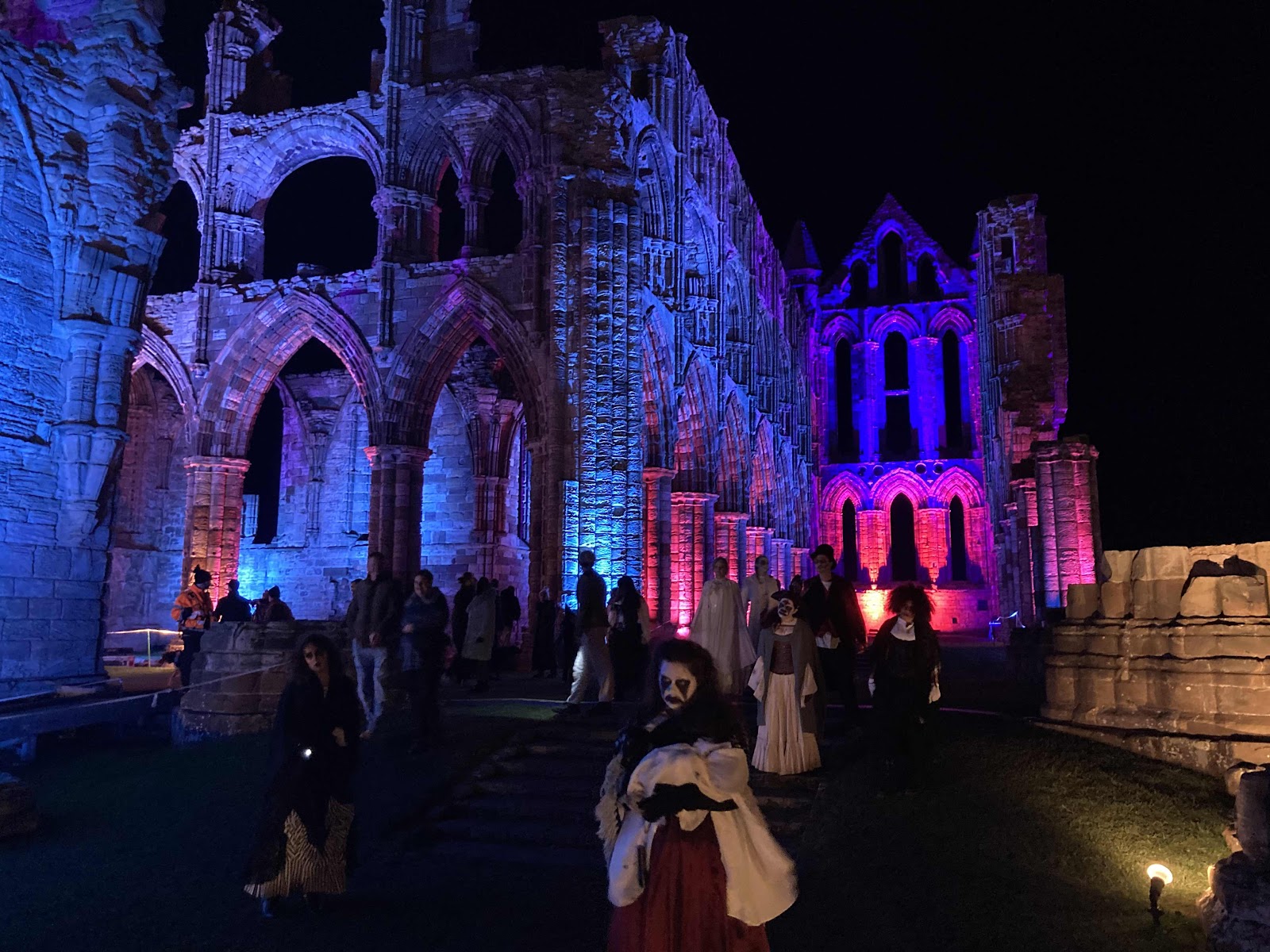
It would be very easy for me as a Christian minister to say let’s condemn October 31 as a bad thing. It is a bad thing when what might be perceived as harmless fun leaves people frightened when trick or treating gets out of hand. The commercial world seems to be promoting the celebration of dark things. We were in Whitby on Friday evening to see the abbey illuminated. The town was full of windows lit up for Halloween. This feels a new idea.


But… if we returned Halloween to what it used to signify then we make it more healthy. Let’s begin to call it again by its proper title: All Hallow’s Eve. On 1 November the Church celebrates All Saints and on 2 November it celebrates All Souls. These are two days we remember the light shining through those who lived faithful lives and are remembered for pointing people to the way of Christ. But before both days were marked, the Church used to acknowledge that death and evil are real. Whereas nowadays we don’t want to talk about death or evil but rush on to say “oh well they have been defeated, so we needn’t dwell on them too long.” But death is part of human experience and bad things happening in the world is part of human experience and sometimes it feels they are overwhelming.

We want those things to go. And some of us don’t want to talk about them. How about this to cope with the clocks going back this weekend? 

“With the darker days drawing in and British Summer Time, we wanted to reward the British public with a warm, comforting treat. Alongside gaining an extra hour in bed this Sunday, we’re giving away 3000 vouchers for free hot Greggs sausage rolls and the award winning vegan sausage rolls to take the edge off the arrival of the colder darker months.” 


The raising of Lazurus is an event that shows us the dramatic presence of God even - and perhaps especially - when other powers appear to be at the fore. Mary and Martha were devastated to lose their brother; Lazurus’s friends stood numb at the tomb; even Jesus wept. Remember Jesus got it in the neck for not coming to help earlier. Death was very powerfully the winner. 

What’s the Christian message? That God in Jesus enters the darkness and suffers the evil before doing anything about it. So maybe we need a night, an eve, which just acknowledges things aren’t now they should be, the dark side of life is a raw experience for so many people right now, but that a better day is coming, a walking out of the tomb, a bright light anticipated by the saints and the souls who tried through love and hope to send the dark things of the world packing. 


I just wonder whether Halloween is a spiritual opportunity to say that God transforms. But he comes into the reality we face to do that. To deny darkness and death happen is to say life is just fluffy, and we know that it isn’t. 

And let’s remember this from a wise scholar I enjoy: 

“New life starts in the dark. Whether it is a seed in the ground, a baby in the womb, or Jesus in the tomb, it starts in the dark.”

(Barbara Brown Taylor: Learning To Walk In The Dark)


Monday, 25 October 2021

Opening God’s word


I love a good bookshop. I love to browse in good bookshops. Leave me in a secondhand bookshop for hours and I’ll be very happy. We have a fabulous bookshop here in Ripon and there’s another one in Thirsk where you can get a coffee as well. I discovered it has an upstairs the other week. I always vow not to buy any more books because I’ve no more room on the study shelves but I fail miserably most times. You see, a good book draws me into it. A good book invites me to invest in it. I may read a word in its pages that might change my life for ever. 


So it should be with the Bible. It’s an exciting and challenging and comforting and life changing read if we would only invest in it again and hear God inviting us to hear a word for today in it again. 


‘For my thoughts are not your thoughts, neither are your ways my ways,’

declares the Lord.

 ‘As the heavens are higher than the earth,

so are my ways higher than your ways and my thoughts than your thoughts.’


And later you know we have an even greater promise…

As the rain and the snow
    come down from heaven,
and do not return to it
    without watering the earth
and making it bud and flourish,
    so that it yields seed for the sower and bread for the eater,
so is my word that goes out from my mouth:
    It will not return to me empty,
but will accomplish what I desire
    and achieve the purpose for which I sent it.


Someone once described the word of God as a span from heaven to earth. This was true every time a prophet spoke of old. And it became true in the most wonderful form in Jesus Christ.

In many and various ways God spoke of old to our fathers by the prophets; but in these last days he has spoken to us by a Son. (Hebrews 1:1–2)


In the beginning was the Word and the Word was with God, and the Word was God . . . And the Word became flesh and dwelt among us, full of grace and truth; we have beheld his glory, glory as of the only Son from the Father. (John 1:114)

Jesus Christ, the Word made flesh, is the all-sufficient span between heaven and earth. 

The rain and the snow have come down from heaven. 

God’s word is not just on a printed page, it lives in the person of Jesus. Isn’t that exciting? Don’t you want to read more and more of God’s word? Don’t you want to encounter more and more of the word incarnate? 


In The Handmaids Tale, remember the Bible is kept locked up, the way people once left tea locked up so the servants wouldn’t steal it. It is an incendiary device: says the text, who knows what we’d make of it if we ever got our hands on it. And yet we seem to have made it less important in our programme than it should be. Early Methodists met to study it, discuss it and learn from it, in small groups. Maybe we need to put some of those groups back in our church. Does the preacher on a Sunday bring the Bible alive for you? Perhaps better not to ask that question.


Remember the collect for Bible Sunday : 

Merciful God,

teach us to be faithful in change and uncertainty,

that trusting in your word

and obeying your will

we may enter the unfailing joy of Jesus Christ our Lord.


Trusting in your word… to do that we have to accept the invitation to be immersed in it. Do you remember the late Methodist minister and broadcaster, Dr Colin Morris? He once told a story about a Methodist  encountering a Jehovah’s Witness. The Jehovah’s Witness asked the Methodist to quote him a verse in Leviticus. And the Methodist thought: “Leviticus? Is it in the Old Testament? Is it in the New Testament? Is it the name of a racehorse?” And Morris concludes: “would you trust a garage mechanic to touch your car if he didn’t know what was under the bonnet? Everything your Jehovah’s Witness knows, he counts on you knowing less.


Let me put it like this. We trust other bits of words that are shared. My life mother thought the Daily Mail was infallible and that every word she heard on the Jimmy Young programme on the radio was Gospel. This week I got a cough from somewhere and I was put on steroids and in the packet of pills is a little leaflet you read throughly and urgently. But the Bible? Well…

We have to do better for the sharing of God’s word depends on us. 


Billy Graham once said “I’ve read the last page of the Bible, it’s going to turn out all right.” 

We have a positive, exciting and vital word to read, hear, live and share. Imagine what would happen in our communities and in our world if we really had this sort of faith in God’s unfailing word, and if we really were willing to accept God’s call on our lives. What a different church we would be then.


Friday, 22 October 2021

The day of small things


Passage for reflection: Zechariah 4: 1 - 14

At the height of this pandemic, we started to remember those key people without who much of life would grind to a halt. We stood outside our houses and clapped all those working in the NHS and we appreciated lorry drivers and refuse collectors and people on supermarket tills and people started to value people who before were largely forgotten. 

I’m asking us to revisit doing that appreciation again. I actually think life at the moment as we approach winter is really complicated for so many people and we really need to value those who quietly but diligently make life better for us. I had to go for a PCR test last Tuesday as for some reason I’d developed a dry cough and was struggling with my breathing. The York centre on the park and ride at Poppleton runs like clockwork. From the folk directing you into the right queue, to those checking your ID, to the man who did the necessary down my throat and up my nostril, the whole experience went well because people were kind and efficient and knew what they were doing. I said thank you to each of them which I think was a bit of a shock! Then another day this last week we had to have our drain unblocked at the manse. Two men arrived to do what isn’t the pleasantest of jobs! Again I thanked them and there was genuine surprise from them I’d bothered to do that. 


Is doing small things largely unnoticed faithfully going to get us anywhere? 

We may need to hear again the word of the prophet Zechariah, spoken to a people captivated with the big: do not despise the day of small things.

When the returned exiles of Israel began rebuilding the temple under the leadership of Zerubbabel, the young rejoiced; the old wept (Ezra 3:10–13). Compared to Solomon’s temple, which the grey-haired among the people still remembered, the new sanctuary seemed a mere stump. Their dreams of the kingdom, restored to its former glory, suddenly died in a day of small things.

To which Zechariah responded,

Who are you, O great mountain? Before Zerubbabel you shall become a plain. And he shall bring forward the top stone amid shouts of “Grace, grace to it!” . . . Whoever has despised the day of small things shall rejoice. (Zechariah 4: 7,10)

While the elders of Israel wept over this day of small things, the God of Israel did not. Despite his big plans for his people, he is not afraid of the small. Nor is the small any sure sign of his displeasure, as we so often are tempted to think: If God were really in this, things would be bigger by now! No: God had rescued them, God was with them, and God’s plans would prosper — even through a day of small things.


To be sure, God’s mission in the world does not culminate in a day of small things, and we would be wrong to rest content in such a day. But we also would be wrong to despise it. Instead, consider a lesson from Zechariah and Scripture’s other prophets: if we are genuinely faithful in the day of small things, our small obedience will become big — but not usually right away, and not often in the ways we expect.

The big God is apparently patient enough to endure centuries of small days. His kingdom, which will one day cover the earth, does not begin big. It grows from one old man and his barren wife (Isaiah 51:2). It grows from “the fewest of all peoples” (Deuteronomy 7:7). It grows from a mustard seed and a bit of leaven (Matthew 13:31–33). It grows from an embryo in the womb of a virgin (Isaiah 9:6–7). It grows from twelve uneducated men (Acts 1:8).

This week remember the folk in shops you visit, like the man who wipes down the baskets in Booths, remember GPs and receptionists in your local surgery, remember the drain men and those who do the jobs we would rather not do, remember those who keep your church running for you - not the minister -  but those who turn up to put heating on and those who just serve quietly day by day without who we would not function. Celebrate faithful plodding on where it feels like there are no results. One day the small offerings will become big. Remember the mustard seed. 

Do not neglect the day of small things…


What will it mean for us to worship a God who works like this? It will mean praying for the big, longing for the big, and working for the big — all while faithfully and contentedly devoting ourselves to the small. Pray for revival, and then get on with being church where you are. Dream of the knowledge of God’s glory flooding the earth and then bring a taste of that glory to your neighbour next door. Preach a grand vision to dozens or hundreds on Sunday, and then sit and listen to the wounded one on Monday.

The day of big things is coming. Until then, do not neglect the day of small things.


Saturday, 16 October 2021

Doors - open or closed?


Passage for reflection: Matthew 9: 9 - 13


A church was torn apart over an issue in its life. There was too much noise before worship and the organist threatened to walk out. Her compromise was to arrive at one minute before the service, slam in, and start playing. The atmosphere when she started doing this was dreadful. The minister, trying to be helpful suggested they shut the door into the worship area to encourage people to meet each other and chat loudly in the foyer, to enable others to be quiet in church and listen to the organ. He was told shutting or not shutting doors should be taken to the Church Council. For two weeks, the door was shut by some, and opened by others and it got ridiculous, and people who wanted quiet got cross, and people who felt they had been told to be quiet said they would not come again. All over whether a door should be open or shut.


That was the last issue I had in my Circuit when I served in the North East – I have never heard how it was resolved. 


But today I believe the question about doors is a real one for us, it’s not about a door open or shut to deal with noise, it is about whether the doors of our church are open or shut when it comes to attitude


Let’s think about what sort of church we are today…

Perhaps we want to be a church that the door opens to let us in but then we shut it to keep everybody else out. To come through a door into a safe haven can bring us protection and warmth and security. 

There’s an old hymn which goes:

When the church of Jesus shuts its outer door, 
less the roar of traffic drown the voice of prayer, 
may our prayers, Lord, make us ten times more aware
that the world we banish is our Christian care.


 If our hearts are lifted where devotion soars
high above this hungry, suffering world of ours, 
lest our hymns should drug us to forget its needs, 
forge our Christian worship into Christian deeds.


 We want, once we are inside to shut the horrible world out, because that world is dangerous, we don’t want it inside here, we are immune from it here with like minded people. We want the door to open to give us the love of Christ and then we want to stay inside without distraction, don’t we? Of course, having a door open can be risky indeed dangerous.


 We think about Belfairs Methodist Church in Leigh on Sea and their regular opening of their door for the local MP to have his surgery with his constituents. We know on Friday, Sir David Amess was brutally stabbed to death. David Amess was a much respected MP. 


He has been described as “kind and caring and had the gift of disagreeing without being disagreeable.” I guess it would now be easy for MPs to abandon the surgery to be safe, but I’m not sure many of them would want that.


The open door can be unwelcome… 

I read one of my old sermons yesterday looking for inspiration. I told a story of when I was on a train coming back from a lovely peaceful stay on Lindisfarne. I got on at Berwick upon Tweed. The journey due to engineering work was going to be 8 hours. Until Newcastle, I had Coach G all to myself. That didn’t last long. A large group got on together with provisions. Coach G now party coach - all those who are around me are together about 30 of them and the gin, lager, Pinot Grigio and shouting loudly started before we left the station!!!! Four on the table opposite me had between them two bottles of white, one bottle of red, four cans of lager, and four cans of gin! The vodka and the Daily Mirror crossword were opened as as we left York. The lady who clearly was in charge on her fourth glass of wine complained it wasn’t difficult enough.  At Doncaster the mini eggs were passed round. 


At Peterborough how I wished Brian Blessed were not one of the crossword answers. It was not fun listening to impressions of him. Then they started having a pop quiz involving blasting out tracks on the iPod for the carriage. Robbie Williams Angels with actions!  At Kings Cross they congratulated me for putting up with them! 15 London civil servants who were returning from Newcastle after an overnight sail there from Tilbury Docks (as you do)! I really must get a life....  The open door then, was unwelcome.


Sometimes we want it like that in the church. We want to come in and hide behind the door, in safety, like disciples did post the crucifixion of Jesus, remember they were locked behind a door for fear of their lives, for being associated with Jesus. 


Sometimes, when life is hard, we shut down, we want to hide away, we want to shut ourselves away behind the door of our faith, and I guess there are times we need to do that, to receive, but I also want to say that a shut door can say to the community we are set in, we don’t want you in here, and we don’t want to know about your problems, we are safe in here and we have no challenges, and that is how it is going to stay, thank you very much!     


Is that the sort of church we celebrate being today? I don’t think so. 

Perhaps we celebrate being a church with an open door, or at least a church that tries to be open. What do you think?

Dare we mix with the world?


I read a blog by a girl who was seriously considering fleeing this country, fed up with bad news. She was passing St Pancras Church in London. There was a man there, sat with all his possessions next to him in wet boxes, eating sandwiches out of a bin bag. She writes “Now I don’t know about you, but I think as long as that man and millions like him are eating leftovers out of the rubbish, wallowing in pity or booking the next flight out of here is not going to feed the hungry.” There is need out there and we can talk about why there is, and what “they” must do about it, but the need gets worse as we talk, people need action beyond the door. 


Sometimes you have to go out of a door to find life. 

There is a story, and I don’t know how it was ever resolved, that I was so shy as a little boy, that at the Junior School I attended at the age of 7 I would hide in the classroom toilet all day and not interact with any other children. 

I remember vividly we all had a number to shout out when the morning register was called, and I would open the door and shout “5” but I have not idea what mediation was needed to get me out of there. I wasn’t living the school experience or progressing. Sometimes living behind a door can be claustrophobic, you need to get out to find life! 


I rather love that story of the young camel, who was very young and confused.


“Why,” said the young camel to an older camel, “why do I have such big feet?”


“Oh,” said the older camel, “God gave you big flat feet so that you could run easily across the desert sands!”


“And why,” said the young camel to the older camel, “why do I have such long skinny legs?”


“Oh those, “ said the older camel. “God gave you those so that you do not sink into the desert sands.”


“And,” said the young camel, “why do I have these long eyelashes?”

“God gave you those to protect your eyes in the desert storms.”

“And what, ” said the young camel, “is this huge lump on my back?”

“That’s very useful. God made that so you don’t get thirsty on long desert journeys.”

“So tell me then,” said the young camel, “if God has given me all these, what am I doing in a zoo?”
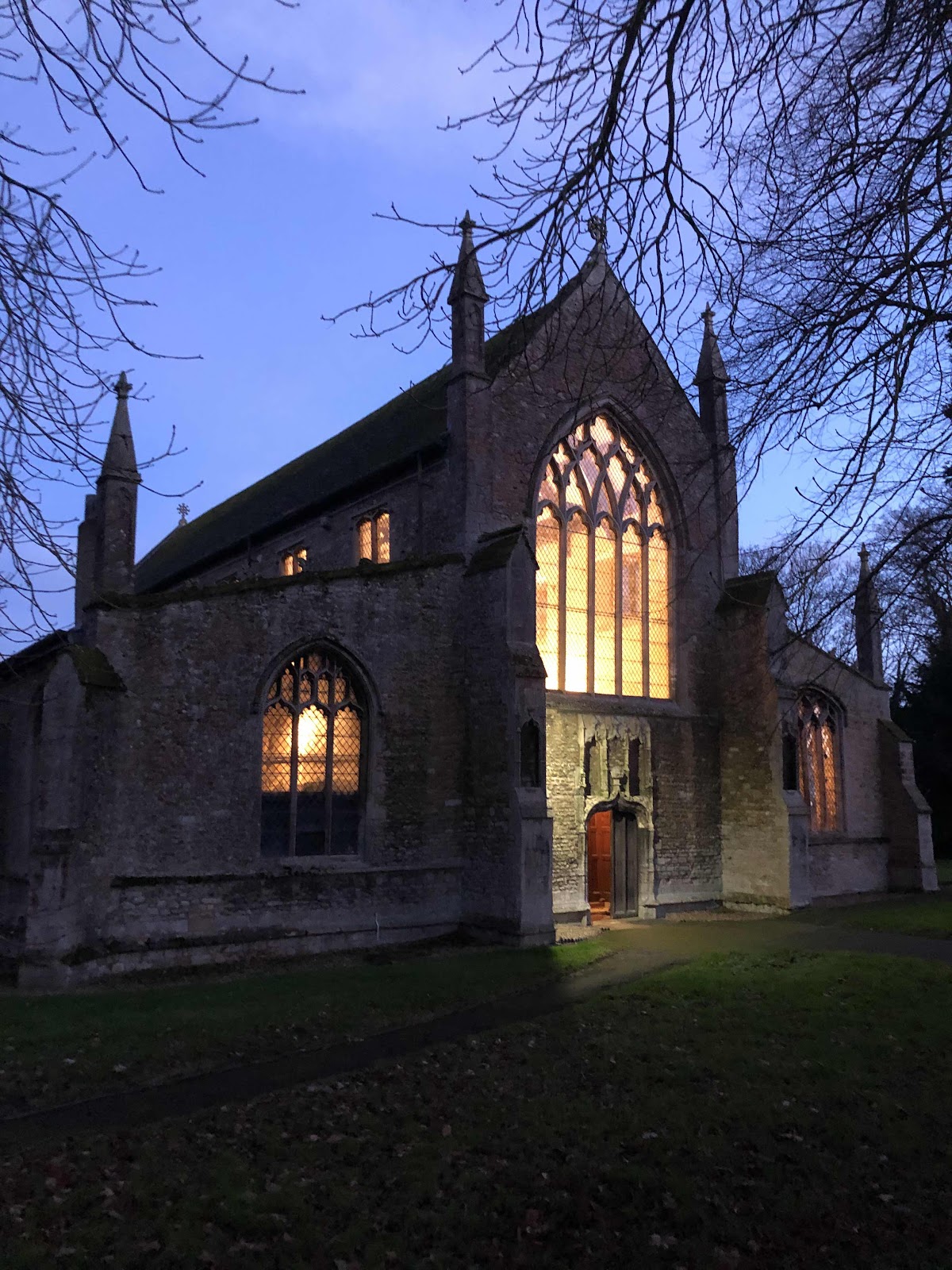


How open are our doors so that we can use the gifts God has given us and which have been nurtured in this society especially, to be his people beyond the door? How open are our doors to others? How are we encouraging others to come through, if not the door of our church building, through the door of Christ’s love? Or, are we afraid of what we might discover and who might want to come back through the door of the church with us?


Matthew represents today the open door approach of our Lord. Remember in Jesus’ day, tax collectors were despised because they were part of the system hated by people, collaborators with Rome and all that. 


And yet, Jesus dares to be the agent of God’s love with tax collectors and sinners, he receives strangers and welcomes them in, he comes for the sick and not the healthy, and he says to people leave your old ways behind and come through my door! And he says to religious people condemning things – change your ways and unlock your door of fear and prejudice…

We need to be renewed to keep our doors open don’t we? Let me share a quote from someone I read recently about the Church…


“Church at one time meant a gathering of people. Now it means a building with a steeple. Worship at one time meant the act of celebrating God’s presence. Now it means a collection of rituals at 11am on a Sunday morning. Faith at one time was a red-blooded response to the stirring of the Spirit. Now it is a set of beliefs so insignificant that they can be contained in doctrines. The Way has become religion, it’s meaning drowned in a sea of ceremony.”


Perhaps the quote is a bit harsh, it was written to an Anglican parish, perhaps by a frustrated vicar but you see the point don’t you? 


And of course, it can be very hard for people to come through the church door. Those of us who have always been to church don’t get that. Perhaps it is because I am an introvert and hate crowds and find entering somewhere new difficult I understand people’s hesitance. 


Our challenge, as the challenge is for every church, is to continue grappling with the needs of our community and being church wherever we are and offering the presence of Christ in their lives. We are called to celebrate the presence of God and share God’s love. We need therefore to come through the door to be refreshed by God and go out through the door to share him. John Wesley had plenty to say about going out beyond the door even if it is hard for us. 


Remember these words: 'One great reason why the rich, in general, have so little sympathy for the poor, is, because they so seldom visit them. Hence it is, that, according to the common observation, one part of the world does not know what the other suffers. 


Many of them do not know, because they do not care to know: they keep out of the way of knowing it; and then plead their voluntary ignorance an excuse for their hardness of heart. "Indeed, Sir," said one person of large substance, "I am a very compassionate man. But, to tell you the truth, I do not know anybody in the world that is in want." How did this come to pass? Why, he took good care to keep out of their way; and if he fell upon any of them unawares "he passed over on the other side."


When the Church of Jesus shuts its outer door,

Lest the roar of traffic drown the voice of prayer:

May our prayers, Lord, make us ten times more aware

That the world we banish, is our Christian care…


I like Pope Francis on this subject of doors:

“The Church is called to be the house of the Father, with doors always wide open. One concrete sign of such openness is that our church doors should always be open, so that if someone, moved by the Spirit, comes there looking for God, he or she will not find a closed door.” And…


“But the Church is not a tollhouse; it is the house of the Father, where there is a place for everyone, with all their problems.” The context of this image is a sobering reflection born of his “Frequently, we act as arbiters of grace rather than its facilitators.”

Arbiters of grace: What an indictment of tollhouse Christians! We can do better. We can “facilitate” grace in part by behaving “like the father of the prodigal son, who always keeps his door open so that when the son returns, he can readily pass through it.”


I want us to be challenged by Matthew the tax collector. 


He was definitely outside the door of religion, but Jesus brought into the door of divine love and acceptance, and this is our task as we go forward as a church today. 


The doors of our churches were opened many years ago, for people to find God in Jesus and that people have been brave enough to go out and help others find him too ever since. May we be encouraged to continue that work now and always.