Thursday, 26 November 2020

Advent Longings


Passage for reflection: Isaiah 64: 1 - 9

We are about to enter what is my favourite season of the church year, the season of Advent. I love Advent and I love Advent Sunday because it is a time we think about expectation, and hope, and our deepest yearnings. Dare I say I love Advent more than I love Christmas? 

This year perhaps we might actually do Advent. Usually we rush on to Christmas so much so when Christmas comes we are all carolled out. At home for the church year 1995 to 1996, we had a minister serve us from the Uniting Church of Australia, the Rev. Brian Whitlock. Brian was a character who shook us up after we’d had ten years with his predecessor and perhaps we’d become a bit too comfortable. He made us learn Advance Australia Fair and he wouldn’t let us sing a carol until midnight on Christmas morning. He wanted us to sing the fabulous Advent carols in Advent, and then sing the Christmas ones well into January. He had a point. 



We like to rush on in life. I’m terrible in a traffic jam. I hate being late and so I’ll stress when I’m stuck. I get that from my Dad. He’d never sit in a jam on a motorway. He’d turn off at the next junction believing that would be quicker than waiting in the gridlock. He’d often be wrong as all we did was rejoin the chaos a mile or so further along! My mother used to get very cross with him. But waiting is seen as negative, wasting time. There are people who want instant results, and who believe waiting is unnecessary. 

There was a vote this week on Wednesday, November 25 on Radio 1 whether it was too early to start playing Christmas songs. The overwhelming view was it wasn’t. While I was driving about on Wednesday, Nick Grimshaw, playing the annoying “All I want for Christmas is you” for the first time said “come on, let’s get on with it. One month to go!” (I usually am a Radio 2 listener but I can’t stomach Steve Wright in the afternoon so change the station while he’s on!) 


But maybe we need a season of waiting and soul searching and spiritual yearning before God. Maybe we need a time to give God our deepest longings and fears. Maybe to receive what Christmas brings, we need to do Advent. To prepare for God breaking into the world again, we need to be ready. I understand though this year more than any the impatience. We are longing for hope and for relief, for good news as this dreadful year comes to a close. 

None of us dreamt when we were locked down in March we’d still be restricted how we live. We now face tiers. We are in tier 2 in North Yorkshire which means we can open our churches again a week on Sunday very carefully and I can see people again outside or on doorsteps.

 I am sorry for those in tier 3 where so much cannot happen. I understand why the government has given us five days of relief over Christmas but decisions how those days are spent will be hard. Don’t hug your granny! And if we don’t behave we will be back in lockdown in January. So I get why lights are going up early, we are all tired of this virus and we need something to look forward to.


The people of God in Isaiah’s day had their yearnings. After many years away from home in exile in Babylon they returned home having been freed by King Cyrus of Persia. But the homecoming was not the party they hoped for. They found Jerusalem and their beloved Temple in ruins. Standing on the rubble they cried out to God. Where was he? The Temple was the sign of the presence and power of God and it was no more. So they cried out “O that you would tear the heavens apart and come down.” In other words they prayed “don’t abandon us, do something, we need some sign you care.” Perhaps we are feeling like them. 

We long for something good to happen. All we talk about is this virus and we are bored with it. 

We long for healing.

We long for answers to our problems.

We long for light in our darkness. 

Don’t abandon us, God!


The papers this past week have suggested Christmas has been saved. But I read an article in a recent Church Times by a retired Bishop, David Thomson, which suggests we don’t save Christmas, it saves us. 

“ Even if warm hearths and family togetherness are what we long for, they are powerful because they speak not just of a kiss under the mistletoe or a blow-out meal, but of a deeper sense that winter will not have things all its own way — a sense of unconquerable light. We have been celebrating it since Stonehenge, and we want and need to celebrate it now. But just saying “Boo” to the darkness — or, indeed, the virus — and getting on with the party is going to end in tears.”

 “From ancient times, Christians kept fasts before they dived into their feasts. They didn’t take the waiting out of wanting: they knew that a bit of waiting, a bit of preparing, a bit of pondering, would make the feast all the more fun.

Cue Advent: not just the Advent of a boozy miniature a day in December, but the Advent that starts four Sundays before Christmas and takes us slowly and carefully through the Bible’s story of how we got into this pickle we call life, and how God’s plan to join us in it, and raise us from it, came to pass. It’s all those readings you’ve heard at a traditional carol service, but old-school, taken slowly, savoured for all they’re worth. Then, at Christmas, the Great Twelve Days of Feasting can begin.

Hearts that are heavy with deathly fear can resonate poignantly with the Advent warnings of the day of the Lord that are ordinarily too strong a meat for many to take — but with them the assurance that, in the crisis, endings can turn to beginnings, and death and fear themselves flee before the face of God.”


Maybe we need a time to think seriously about our lives and what is missing in them for us to be whole and happy spiritually. 

Maybe we need a time when we can say to God “o that you would tear the heavens apart and come down —- for us!” To say to God actually life isn’t alright - we stand on today’s rubble and we wonder where you are. Or if we still think you do things, stop faffing about and do something. Maybe we need a time to lament at how things are.

Maybe we need a time to refocus to prepare to receive what God might have planned for us. The story of how Christ came into the world surprised all the participants in it. This year let’s not do a boring Christmas with everything the same - let’s be open to being challenged. What’s the heart of it? Let’s take time revisiting the yearnings and longings of God’s ancient people. Let’s hear again the promises shared by prophets like Isaiah and Micah and Zephaniah and Malachi. Let’s get inside the characters who heard Jesus was coming and be as gobsmacked as they were about it. 


Longing, waiting, expecting, all are necessary in a lively faith journey. Let’s be Advent people. Let’s be open with God and open to God in this season so that when he comes we might be ready. 

The book I return to every Advent is “The Coming of God” by Maria Boulding. It’s a classic. This quote for me sums up what Advent longing is. As Advent begins I pray we might find our expectancy and our longing for God again as a church. Perhaps I’m mad but I think we only have a future if we find them... 

“If you want God, and long for union with him, yet sometimes wonder what that means, or whether it can mean anything at all, you are already walking with the God who comes...lf you have ever had an obscure intuition that the truth of things is somehow better, greater, more wonderful than you deserve or desire,...that there is a mercy beyond anything you could ever suspect, you are already drawn into the central mystery of salvation.
Your hope is not a mocking dream; God creates in human hearts a huge desire and a sense of need, because he wants to fill them with the gift of himself.'

Unexpected God, your advent alarms us. Wake us from drowsy worship, from the sleep that neglects love, and the sedative of misdirected frenzy. Awaken us now to your coming, and guide our feet into your way of peace. Amen.















Friday, 13 November 2020

The last Sunday of the Church year


Passage for reflection: Matthew 25: 31 to the end of the chapter 

I wonder if you read a book whether you are impatient to see how it ends. Some naughty people look at the back page of a book to see if it is worth investing their time trawling through 200 pages! An ending can sometimes be a surprise, what you least expected. 

The way we watch television dramas seems to have changed in recent years. We now are in the era of box sets and complete series being available on demand so you can binge on them in one go because you can’t wait a week to find out how they end. We are dreadful because we watch things late at night and just start another episode having already watched three but then we fall asleep! The joy of on demand is that you can wind programmes back. Do you remember the days when we taped stuff and the video recorder cut off the end so you never knew what happened. 


We have reached the end of the liturgical year in the Church. The Sunday before Advent is known as Christ the King Sunday. The readings for the day are all about how the story of Jesus ends. Ho does it end? It ends with him coming in glory. It ends with his eternal reign. It ends with judgment on his people concerning how they’ve behaved in their lives, it ends with all creation worshipping him. 

The Nicene Creed puts it in these words:
“We believe he will come again in glory to judge the living and the dead and that his Kingdom will have no end.”

We don’t often think about the second coming. But Advent, which we are soon to enter, is really a reminder of how he came as a child, but more crucially, an expectation he is coming to reign in glory soon. We put off making decisions and we drift along whereas the first Christians saw how we live as an urgent matter because they believed the parousia was imminent. 


What will it be like at the end? 

Well, two things. First, there will be judgment. How we have lived in this life will matter. God will reward human acts of kindness and faithful Christian service. When the king comes in his glory he will do some sort of performance management on us. We will be judged by how we showed love by ministering to the hungry, the sick, those in prison. By visiting the needy. By doing these things we are serving the king or forsaking him. Matthew 25 is pretty brutal! To not reflect the king and the kingdom has huge consequences. 

Then the king will be remembered. Nadia Bolz Weber, one of my favourite contemporary writers reflected this week on some dodgy leaders mentioned to give context towards the beginning of Luke’s Gospel. She writes:

“You know that list of powerful men? Those emperors and rulers and governors and power brokers who were so feared and powerful at the time- you know what? The only reason anyone knows their names…the only reason anyone even says their names – the only reason these tiny, pathetic so-called powerful men are even remembered at all 2,000 years later is as a footnote to Jesus of Nazareth.  Those who were caught up into the powers and principalities of violence and empire and greed – whose power at the time they were alive felt so absolute– are only a footnote to Jesus. Jesus -  the prince of peace, the man of sorrows, the friend of sinners, the forgiver of enemies. Jesus – a homeless dude who hung out with fishermen and sex workers and said we should love our enemies. Can you imagine what a blow to Pontius Pilate that would be if he had any idea?  So my prayer this week when I just didn’t know what to pray was simple. I named every single thing and person that seems so powerful right now as to feel inescapable – rulers, tyrants, my own sins, societal forces etc. and I named them and then said “footnote”. 

Pontius Pilate? footnote.

Your depression? footnote.

Student Loan debt? footnote.

Pathetic Narcissists of every variety - footnote

Don’t mistake me – all of those things are very real and the harm they have on us and on the world is also very real.  But to me, the whole point of having faith – the whole point in believing in a power greater than ourselves –is that it allows us to believe in a bigger story than the one we tell ourselves, a bigger story than the one being shouted on Cable News, a bigger story than the one being shouted inside our own heads.  In my own anxiety I can only see a few feet in front of myself and the world can feel like it’s closing in on me, but in the bigger picture I defiantly believe that God can convert our anxiety into hope. In the bigger picture I defiantly believe that forgiveness is more powerful than resentment, that compassion is more powerful than judgement, that love is more powerful than fear. ”

We believe the Kingdom will come. We believe Jesus will reign. The end is not a bad one but a triumphant one. As Billy Graham once said,

I've read the last page of the Bible, it's all going to turn out all right.


Wednesday, 11 November 2020

Living what we say


Passage for reflection: 1 Thessolonians 5: 1 - 11

The Times had a brilliant cartoon in it the other day of the Oval Office in the White House on January 20 next year, with the new President Biden walking in after his inauguration to find chaos and mess everywhere for him to clear up! 

After any election we always get some big words that things are going to be different and better. So The President elect on Saturday quoted from Isaiah chapter 40 in the words of a hymn he finds a strength: 

“And he will raise you up on eagle's wings, bear you on the breath of dawn,make you to shine like the sun,and hold you in the palm of his hand.”

He then called on everyone in America to keep the faith - and more than that - to spread the faith. 

The Vice President elect, the first woman to be in that office had this to say: “we, the people, have the power to build a better future.”


There are moments in the story of humanity where people remind us of deep possibilities within us to build a better world, not one day, but right now. On nights where for example we see a change in a world leader or a difficult time is suddenly over we become enthused again that anything could happen. The state we are in today need not be how it will always be. 

I worry a lot that the Church of all shapes has lost those sudden surges of enthusiasm and vision. We’ve become stuck and our time is taken up with conversations about how much money we need to keep going, when I firmly believe God hasn’t finished with us yet and God is desperate for us to listen to his bigger picture and a call on us to think bigger, to dream dreams and to see visions again. One of my chapels had a new person turn up the Sunday before we locked down again. You never know what might happen to you if you don’t give up. 


A prayer attributed to Oscar Romero helps us to refocus when we can only think about today.

A Future Not Our Own 

It helps now and then to step back and take a long view.
The Kingdom is not only beyond our efforts,
it is beyond our vision.

We accomplish in our lifetime only a fraction
of the magnificent enterprise that is God's work.
Nothing we do is complete, which is another way of saying that the kingdom always lies beyond us.
No statement says all that could be said.
No prayer fully expresses our faith. No confession
brings perfection, no pastoral visit brings wholeness.
No programme accomplishes the Church's mission.
No set of goals and objectives include everything.

This is what we are about. We plant the seeds that one day will grow. We water the seeds already planted knowing that they hold future promise.
We lay foundations that will need further development.
We provide yeast that produces effects
far beyond our capabilities.

We cannot do everything, and there is a sense of
liberation in realizing this.
This enables us to do something, and to do it very well.
It may be incomplete, but it is a beginning,
a step along the way, an opportunity for the Lord's
grace to enter and do the rest.
We may never see the end results, but that is the
difference between the master builder and the worker.

We are workers, not master builders, ministers, not messiahs. We are prophets of a future not our own.

Keep the faith, and share the faith and leave the rest to God! But have days when you get caught up in divine possibility again! 


The readings for this coming Sunday and next as we come to the end of the liturgical year remind us of that bigger vision and the need to speak about it and believe it. Paul wrote two letters to the church at Thessalonica. In 1 Thessolonians chapter 5 we get a summary of how we should be if we really believe something great is round the corner spiritually. 

We are to keep alert and watch for the signs. What are they? A new dawn in America, a new lady coming to chapel, a nice conversation with friends who suddenly get in touch, a spirit which believes we can rather than we can’t. We are not to be sleepy, distracted from the things that matter. Stay awake! I love that story of the rather long winded boring preacher who spotted an elderly lady had dropped off during his sermon. So he stopped mid flow and said to a lady in the pew “would you mind waking up that lady sitting next to you?” to which she replied “you wake her up, you put her to sleep!”

We are not to be drunk! Not merely consuming too much alcohol (not that good Methodists would) but being insensitive towards God. We are not to rely on any government or military power for peace and security. We have seen how governments and leaders can quickly fall. We are to have good ethics. 

Why? Because we hold on to what we say we believe. When we pray in the Lord’s Prayer “your Kingdom come” we should mean that and be ready for that. The Bible in the readings we are invited to consider this week and next urge us to be ready and expectant. It isn’t just about raising money to keep the church door open.


So I end this reflection with a helpful commentary I found:

“Paul looks back at what has gone before in the story of redemption – ‘We believe that Jesus died and rose again’ – and looks forward to what is to come – ‘and so we believe that God will bring with Jesus those who have fallen asleep in him’. One day Jesus will be personally present, Lord of the nations, king and judge, in a transformed and recreated earth and heaven, the culmination of God’s purposes for his people and his world. Meanwhile, although God himself will bring about the new creation, we do all we can to be ‘signposts’ pointing to the restoration that Jesus began on the cross and will one day complete.”
 
Joe Biden and Kamala Harris have a big vision. Perhaps President Trump has one too to run again in 2024 if his legal protests about electoral fraud fail. 

For us, we need to be reminded that things with God never stand still. Are we prepared to believe what we say, and can we catch up with what God is doing? 

Lord God, give us vision.
Jesus Christ, remind us of your reign.
Holy Spirit, keep us expectant and excited. Save us from empty words. Help us to work today for a better and fairer world. Beginning where we are.
Your Kingdom come, your will be done. Amen. 


Tuesday, 3 November 2020

Let justice flow...


Passage for reflection: Amos 5: 18 - 24

As you maybe read this on Sunday morning, we will be a few days into another national lockdown in England, that will last for four weeks and some of us think a lot longer. We were assured this wouldn’t be needed and it all feels really hard doesn’t it, as we are all tired and fed up of having coronavirus dominate every decision and come into what seems every conversation! 


As you maybe read this on Sunday morning, we will be a few days after the election in America, which has been extremely divisive in what is now a polarised country. We may know a result by the time you read this, either we will have another four years of President Trump or a new President Biden. What has concerned me this last week is that some felt it necessary to buy a gun, because they feared the wrong result and an outbreak of violence on election night. How mad is it to see shops boarded up in a democracy that is meant to be the leader of the free world? 

As you maybe read this on Sunday morning, we will be a few days after a vile terrorist attack in Vienna, we will still in this country be surrounded by want as families can’t afford to feed their children. How scandalous is that? 


As you read this on Sunday we will be marking Remembrance Sunday. We will have to mark it differently this year. But it is important that we remember all those who gave and continue to give their lives for the greater good. 

In a world which so often is hard to understand I sometimes wonder what God is thinking. In the book of Amos we can see an amazing exasperated God. The religious pious folk who Amos attacked for their atrocious ethics were far away from what God expected of them. Their words on the Sabbath at worship and their treatment of the poor didn’t match, so Amos says “God despises your festivals and your noisy songs!” What does God want? “Let justice flow like rivers and righteousness like an never ending stream.”


We have had flooding in Ripon this week. The river Ure burst its banks. The water poured very fast spreading quickly. That’s what healthy spiritual justice and righteousness do when they are lived and worked for. Those who gave their lives in wars whose names are on war memorials by which it is still allowed to lay wreaths this weekend, worked for the greater good. You have to hope those standing to be President of the United States believe they can make a difference. You have to trust that another lockdown while disruptive will help to make things better long term. You have to believe one day terrorist attacks will be no more. 

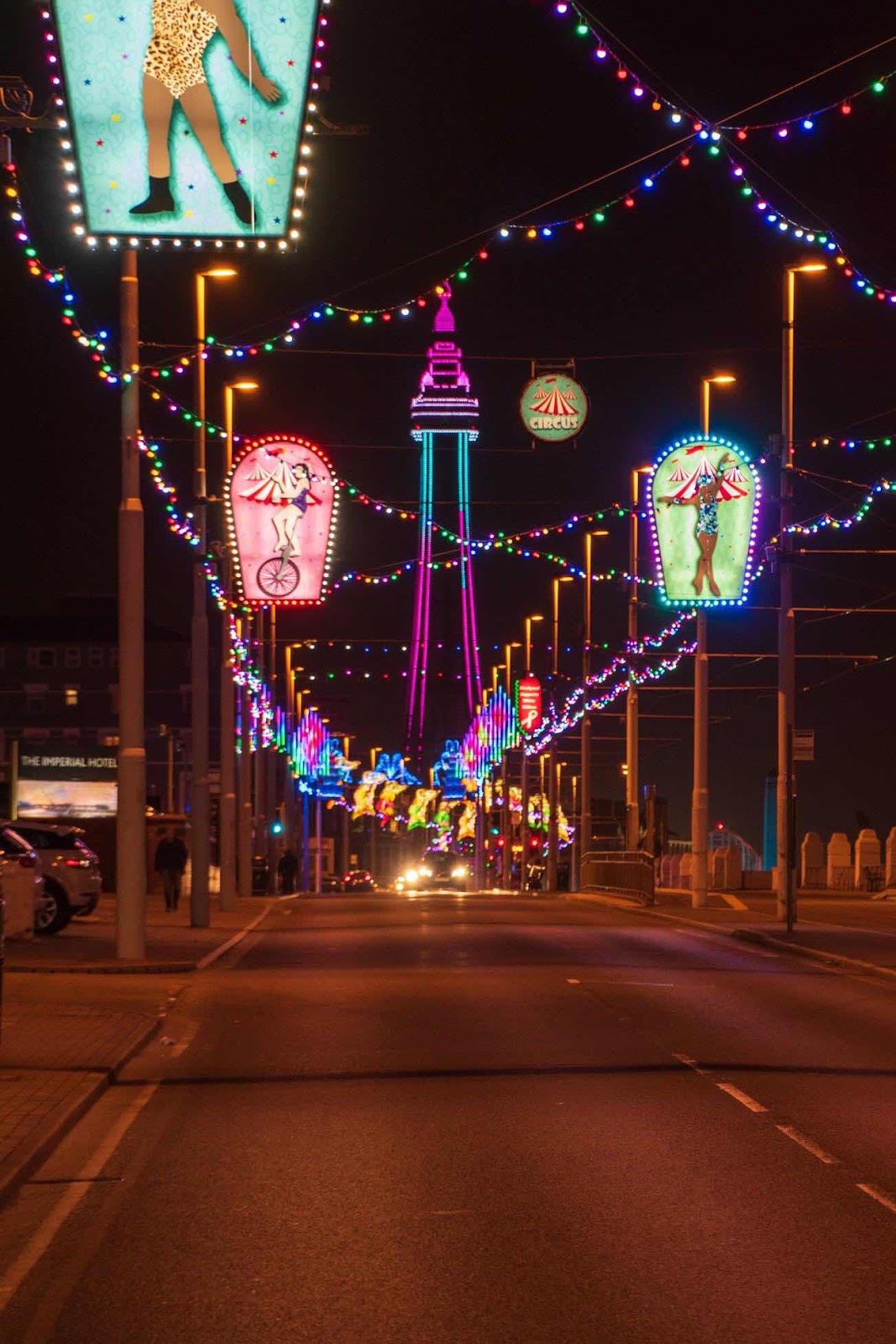
In a world of darkness and confusion, we need to believe the light can shine. This week is the last week of the illuminations in Blackpool. On a dark night it’s great to drive along the Golden Mile to marvel that light makes a difference to the gloom. We have as Christian people to believe in justice, to believe in righteousness, to reject selfishness, and to work for peace. We have to hold on to hope even when we are struggling. I’m struggling at the thought of another lockdown just when I was getting going with a new appointment meeting people. Starting in a new Circuit in a pandemic hasn’t been easy. 


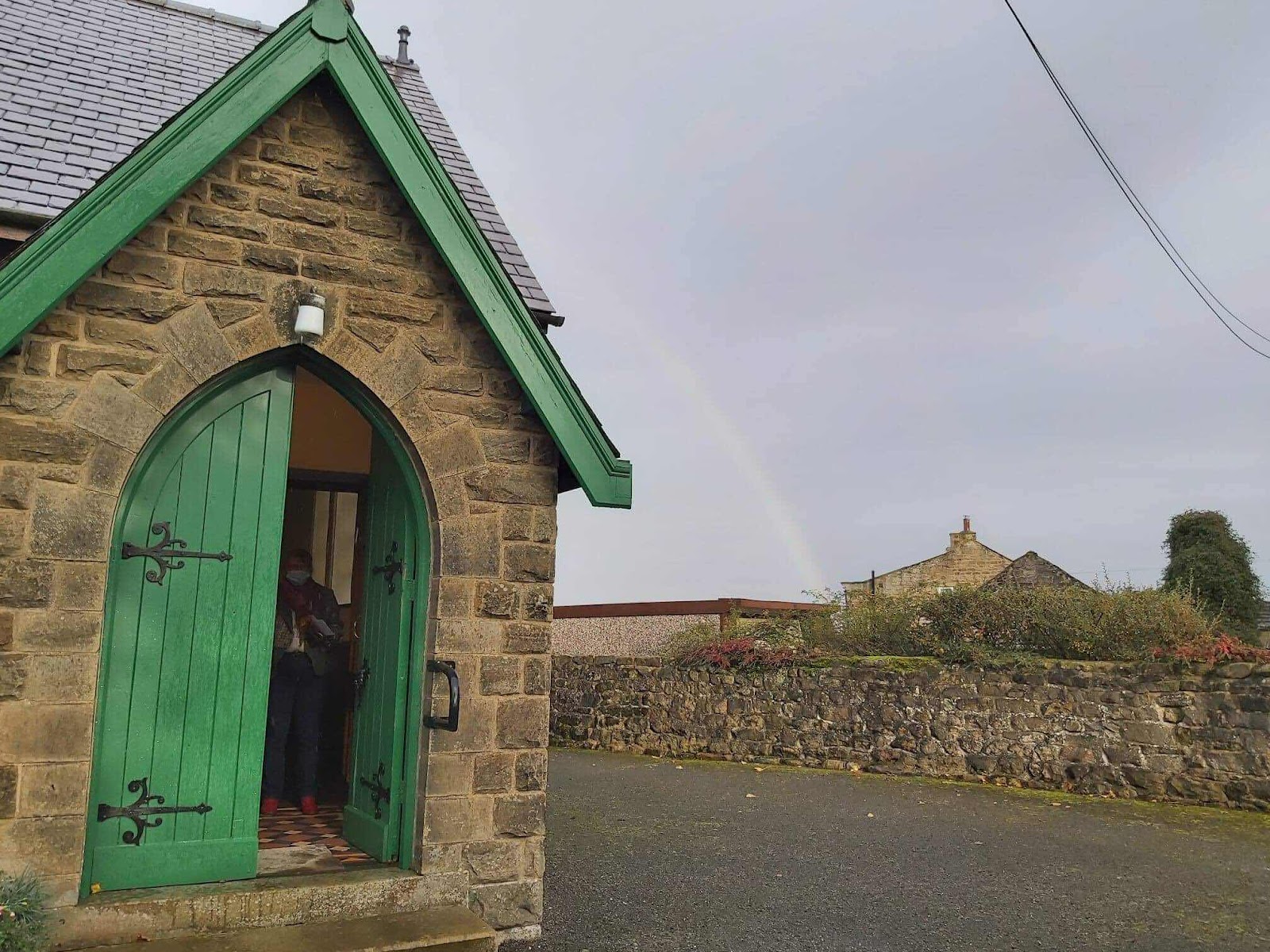
On Sunday I took the last service for a while in Sawley chapel. It felt like I was closing them down. The ladies wondered when they would see me again. When we came out of chapel at about 2.40pm, it was raining. But then Lis, my wife, noticed there was a rainbow. She took a picture of it behind the church door. We saw the rainbow as we closed the church building again for a while, as a sign that all will be well, even if we don’t know when all will be well. We hold on to a bigger picture and a hope deeper than our present circumstances. 


So, as we begin another lockdown, let us not be too disheartened. We keep the faith. And what of human selfishness, disappointing politicians, tired suffers of a pandemic, disillusioned churches even? What is God feeling? 

Well, I like this hymn in Singing The Faith: God gets fed up but hey folks, he believes in us and he waits! Alleluia! 

God weeps at love withheld
At strength misused
At children's innocence abused
And till we change the way we love
God weeps.

God bleeds at anger's fist
At trust betrayed
At women battered and afraid
And till we change the way we win
God bleeds.

God cries at hungry mouths
At running sores
At creatures dying without cause
And till we change the way we care
God cries.

God waits for stones to melt
For peace to seed
For hearts to hold each other's need
And till we understand the Christ
God waits.


Thursday, 29 October 2020

Encouraged by saints and souls


Passage for reflection: Revelation 7: 9 - 17

I can’t believe we have reached November. The beginning of November is a special time in the church year when we remember those who have gone before us, without who we would not be the people we are today. 

I love history. I love to think who walked the streets I am walking on in the past. I am very aware I am part of a long story of God’s people which has been full of amazing characters. So it’s good that on All Saints Day, November 1st and All Souls Day, November 2nd, we pause to remember with thankfulness.


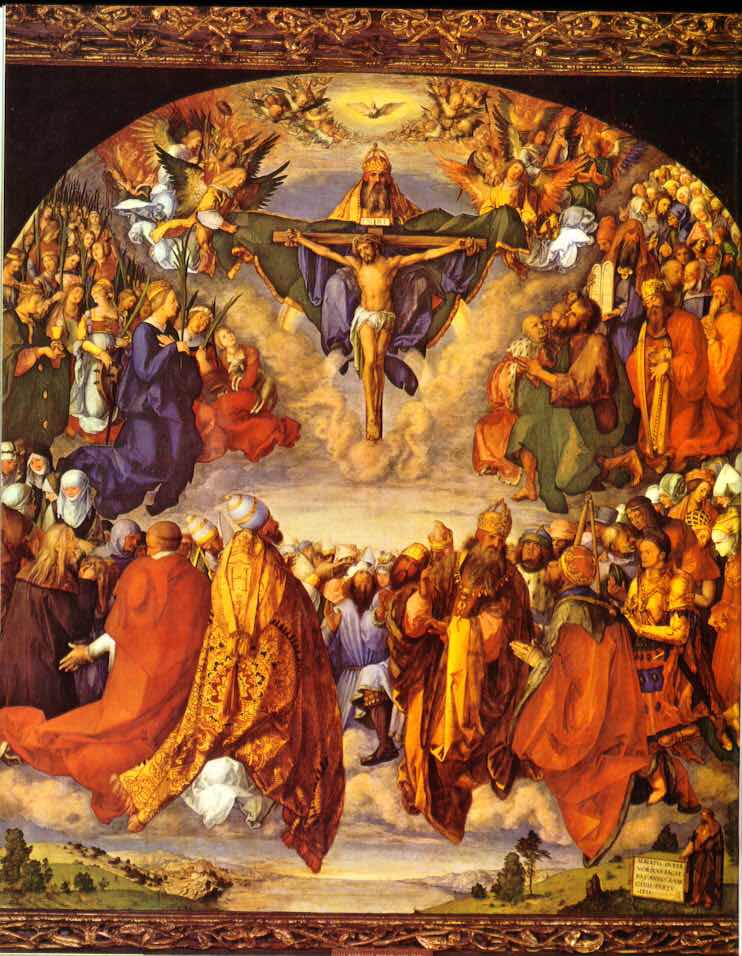
On All Saints Day, we celebrate the famous saints of old who lived Christianity and shared it in what were often difficult circumstances. In Ripon, we remember St Wilfrid, in Whitby, where we were last Friday, we remember St Hild, on Lindisfarne, we remember St Aidan and St Cuthbert, in St Albans, where I went to school and we went to the cathedral for our special services being a C of E school, we remember St Alban, the first Christian martyr in this country, and in Canterbury, we remember St Augustine, who brought Christianity to us. I find the board in the cathedral with all the Archbishops of Canterbury on it very moving with Justin Welby at the bottom and St Augustine at the top. On All Saints Day, we remember we are surrounded by a great crowd of witnesses, who encourage us from the reward of heaven. The crowd is huge! 


Revelation, the last book of the Bible is not the easiest book to understand, but in it are lovely details of the abiding of the faithful with God in eternity. On Sunday afternoon in my service we will listen to these words “Come let us join our cheerful songs with angels round the throne, ten thousand thousand are their tongues but all their joys are one.” 

In chapter 7 of Revelation, the writer describes a great multitude that is countless, numbering those from every tribe and people, and language. There is no limit to the scope of this multitude, be it geographic, ethnic, numeric, linguistic, economic, and on and on the list goes. This multitude is a blow-your-mind kind of multitude that no one can fully grasp. 

The multitude is clad in white, it is waving palm branches, and it is crying hymns of praise in a loud voice. The praise will be “forever and ever.”

Not only is this particular multitude to be known for its loyalty, this multitude is to be known as an active group. This group is comprised of individuals who have washed their robes. They are not passive, but active. They do not wait to be served by God, but they actively seek to serve God regularly. John, the writer of the vision gives us a clear picture of this group living out their vocation of worship and praise.

When asked by one in power, John describes not only their current actions but the results of their actions. They remain loyal to the Lamb, they wash their robes, and they worship in the temple. As a result, they are sheltered, they are fed, they are quenched, they are protected. What a place to be! 

The famous saints have their story written in history books, recorded for ever, but there are other stories only known by a few. This is where All Souls Day comes in. I like to read Ecclesiasticus 44 from the Apocrypha in November. The chapter starts by reminding us to sing the praise of famous people but it goes on to say this: 

“And some there be, which have no memorial; 
who are perished, as though they 
had never been; and are become as though 
they had never been born; 
and their children after them.

But these were merciful men, 
whose righteousness hath not been forgotten.

With their seed shall continually remain 
a good inheritance, and their children are 
within the covenant.

Their seed standeth fast, 
and their children for their sakes.

Their seed shall remain for ever, 
and their glory shall not be blotted out.

Their bodies are buried in peace; but their name liveth for evermore.

The people will tell of their wisdom, 
and the congregation will shew forth their praise.”

Who are the souls who you remember who have been part of your life, who you give thanks for? Who are the souls who shared their faith with you and showed you something of God? Who are those who, for you, their name liveth for evermore? Your family, dear friends, people who sat where you sit in your church, people who had vision. 

This weekend some churches will encourage folk to remember those who have lost their lives in the Covid pandemic. This weekend some churches will hold memorial services where people will come and light candles to remember ordinary lives many of us know nothing about, but for them they were precious and will always be remembered. 


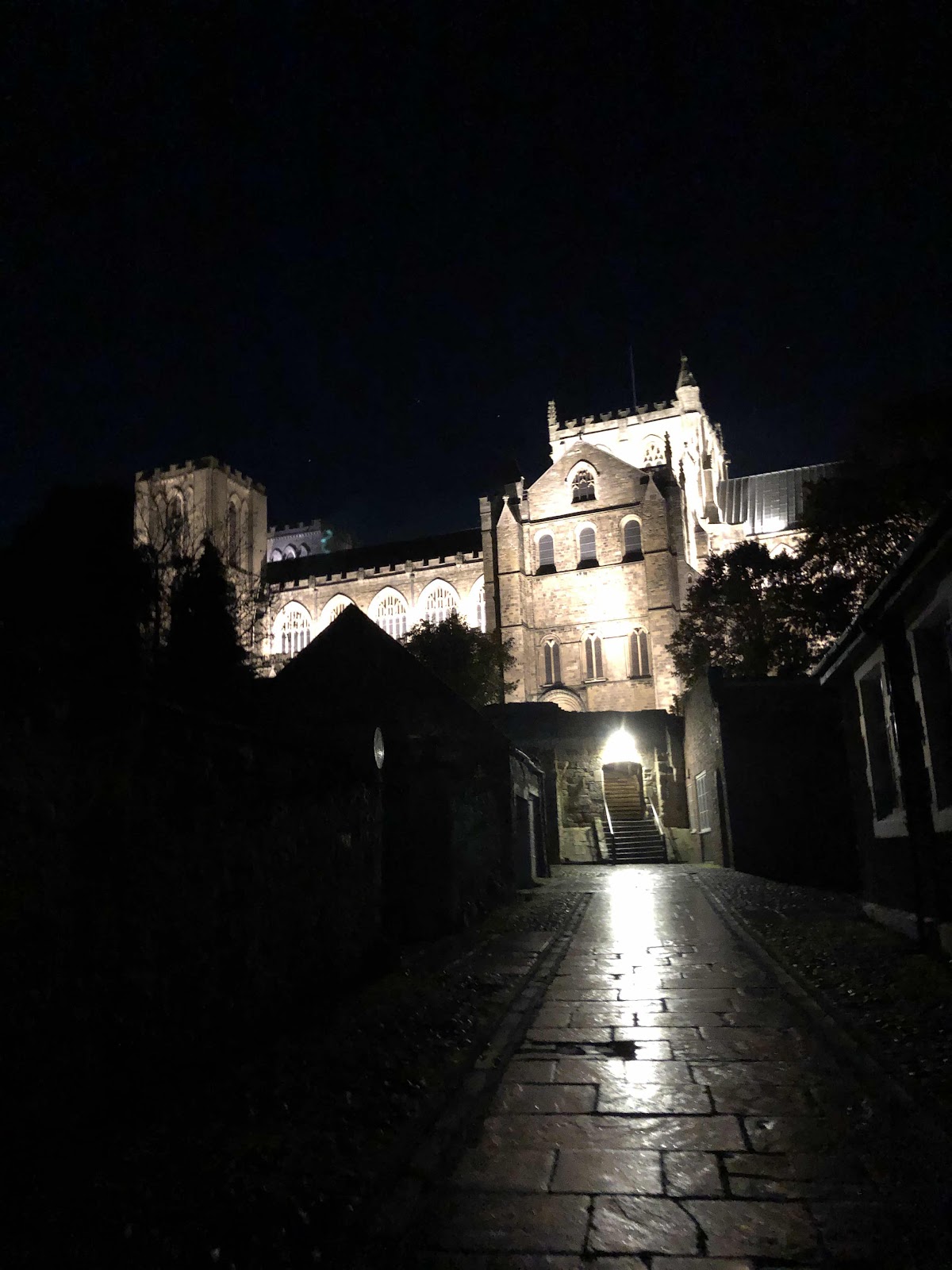
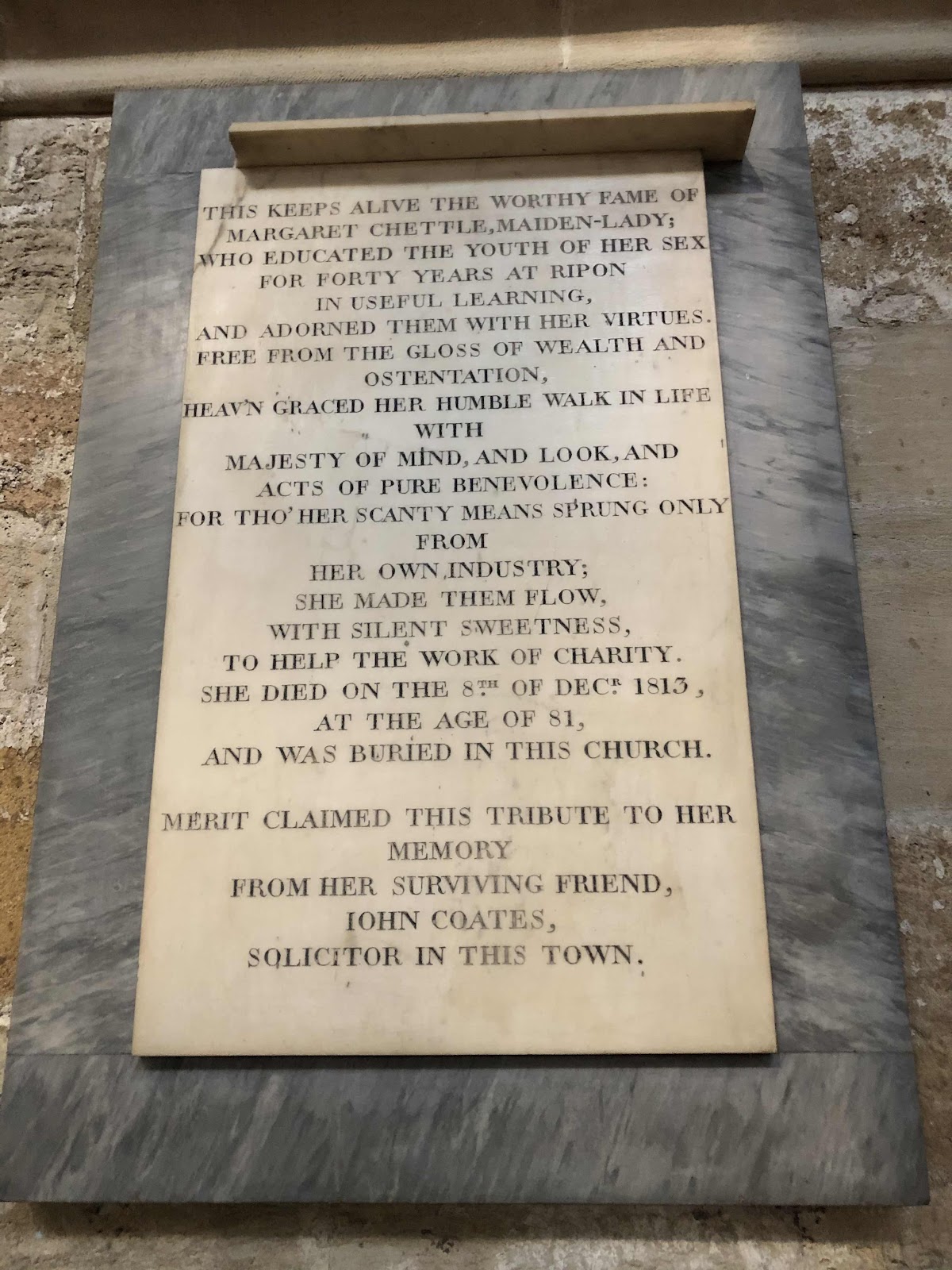
I was walking round Ripon Cathedral with a friend on Monday and spent some time reading memorial stones on the walls. One was about a lady called Margaret Chettle who educated young girls. We are told “heaven graced her humble walk in life with majesty of mind and look and acts of pure benevolence, for though her scanty means sprung only from her own industry, she made them flow with silent sweetness to help the work of charity.” I’ve never heard of Margaret Chettle but many young women had life made better because of her and when she died they would remember her, and a wall in a cathedral invites us when we pass to remember her too. Go and read some memorials or gravestones. They tell unique stories. My Grandad’s gravestone in a village cemetery in Hertfordshire has some simple yet powerful words: “life’s work well done.”


We remember saints and souls to remind us how we should be living today. History must always move us to change the present. We learn from it. Paul in his letters addresses the churches he writes to as “the saints in, for example, Ephesus.”
We are called to be saintly. We are called to reflect God because our souls belong to him.

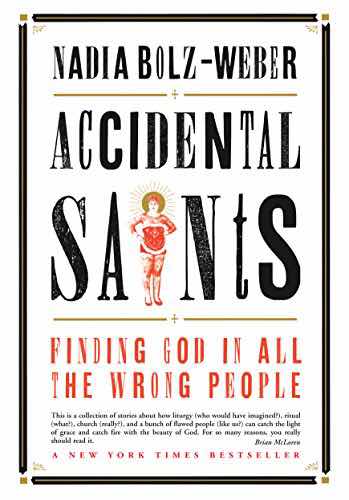
Nadia Bolz-Weber in a fabulous book called
“Accidental Saints: finding God in all the wrong people” says this about our call:

“And this is it. This is the life we get here on earth. We get to believe in each other. We get to forgive and be forgiven. We get to love imperfectly. And we never know what effect it will have for years to come. And all of it... all of it is completely worth it.”


We are called as those we remember to bring some light and hope into the world which folk need badly at the moment. How will we be remembered? Hopefully that we made a difference and did our best to live the right way in a mad world. 

I found this prayer to end this reflection. It’s written by the comedian Bobby Ball who passed away on Thursday. Rock on Tommy! 
Pray these words remembering those who rest in the Church triumphant and remembering how we should carry on their work...

In this world of ever-changing faces, help me to stay on the straight line I was destined to be on.
Help me to try and put right my faults, but to realise that my strengths are gifts.
Help me to be patient with others who are as impatient as myself.
Help me to learn the value of each minute of each day that I have on this earth, that I can bring love and happiness into someone elses life and not just my own.
Teach me to be honest with myself because if I am not honest with myself first, then it is impossible to be honest with others.
Make me slow to speak but quick to listen because others have a point of view too.
Help me gain a little wisdom as each day goes by because the smallest grain of wisdom is worth all the riches on earth.
Grant me peace and serenity that I may enjoy the days that I have left on earth.
Help me to see the good in others before the bad.
And last of all, help me to be honest in all that I do, because in spite of all our insecurities and faults we are the children of God and he gave us life.
So I shall try each day to become a better human being and, when my time comes to leave this wonderful world, I can go to God in the knowledge that at least I tried.
Amen.


Monday, 19 October 2020

The most boring book in the Bible?


Passages for reflection: Leviticus 19: 1 - 18 and Matthew 22: 34 to the end of the chapter. 

It's not often that my heart leaps with joy when I read the book of Leviticus.

It is essentially a rule book written for the people of Israel and is often used today as proof texts when arguing about sexuality and gender. It also has plenty to say about the wickedness of wearing clothing made from mixed fibres. So I trust that no one is wearing polyester and cotton as you read this!

The Old Testament reading set for Sunday gives us an insight into what it means to be holy. Holy rather than pious. 'You shall be holy, for I the Lord your God am holy ...' That holiness is to be seen in a way of living in which the people of God do not act unjustly; do not slander or hate and take no vengeance or bear a grudge . In essence it is a call to love your neighbour as yourself.

Jesus' hearers would have been very familiar with these words from Leviticus and so would have made the connection when Jesus talks about the two greatest commandments: love the Lord your God, and your neighbour as yourself.  The two commands cannot be separated, though as humans we often try to. They are two halves of a whole.


In the early centuries of Christianity thousands of people left towns and cities to become monastics, living in the desert far from all worldly distractions.  They sought to devote their lives to loving and serving God, and thereby ensuring a place for themselves in heaven.  In the desert they lived very strict lives according to great lists of rules. 

There was once a monk called Abbot Moses who had a great reputation for holiness and whose wisdom was sought by many.  During Lent the monks asked what they should do to prepare for the feast of the resurrection at Easter.  They were anxious to do something special to show their overwhelming love for Christ. In the end they decided to fast for the whole of Holy Week.  Once they had made the decision each monk went off to his bare, lonely cell to fast and pray.

In the middle of the week a couple of wandering monks came to visit the monastery and to seek the wisdom of Abbot Moses.  They were starving and so he took pity on them and cooked them a stew.  To put them at their ease he ate a little of it himself.  Meanwhile, the other monks saw smoke rising from his chimney and knew immediately that he must be cooking!  He had broken the solemn fast.  They were shocked and saddened at seeing the weakness of their holy abbot.  They went in a group to confront him.  The abbot came out to meet them.  "What crime have I committed?" he said to them, seeing the judgement in their eyes.  "Yes I have broken a human commandment, but in sharing food with these brothers of ours I have kept the commandment of God, that we should love one another.  What do you think Christ would have done?  Did he not eat and drink with sinners, even though the religious leaders called him a glutton and a drunkard?  You cannot tear the gospel of Christ in two.  We did not come into the desert to get away from people, and to be alonewith God.  Rather, we came here to find other people; to find them and love them in God."  The monks went away humbled, but wiser.


It is easy for us to fall into a similar trap as those monks, and the pharisees in the gospel, imagining that there is just one commandment: to love God.  The religious people of Jesus' time strictly observed the minutest rules of the Law.  But by doing so they divorced the law from everyday life and ignored the words of Leviticus in striving to be holy.  They had just two compartments in their lives - God, and the rest of life. 

We too can imagine that by coming to worship, by saying our prayers and putting our offering on the plate each week, we have done enough.  And of course, all of this is important in part, but the heart of the Christian faith is not about rules and regulations, but rather about relationship with God and neighbour; a relationship of love.  It's a relationship which involves every part of us, and reaches into every aspect of our lives.

When we hear the words of the gospel reading we often listen selectively. It is possible to get so caught up in the love of God and neighbour that we forget and neglect ourselves.  We can all be hard and unforgiving to ourselves.  Jesus said, "Love the Lord your God, and your neighbour as yourself."  We can love our neighbour only if we love ourselves.  This isn't an excuse for self-indulgence or arrogant behaviour, but rather a reminder that we need to be merciful and gentle with ourselves, and forgiving and compassionate.  Just as God is with us and wants us to be with other people.  We too need to remember that we are loved by God and we are loveable.  And that is so easy to overlook.


This week I invite you to ponder again these words of the gospel, to hear afresh the truth of Christ's words and reflect on what they might mean for us in our own life situation.  We are called to love God as our maker and redeemer and our love of God will be expressed chiefly by our loving concern and action for our neighbour.  We are all members of one family, the human family, and so we need to look out for each other as brothers and sisters.  We also need to learn to accept God's love for us, learning to be gentle with ourselves, forgiving and compassionate.

Jesus says, "You shall love the Lord your God with all your heart ... and your neighbour as yourself."

Let us pray,

Lord, give us strength to follow your way.

Help us love today those we meet and reflect you in all we do.

Amen.


Saturday, 17 October 2020

Sing a new song


Passage for reflection: Psalm 96: 1 - 9

I learnt this week of the passing of a dear soul in one of my former churches, Clifford Foster. Clifford was the organist at the Methodist Church in Rye for over 60 years. He was a superb organist, he had a lovely touch on the keys every Sunday. The congregation would give him a round of applause after every service and we would get an appreciative wave from the organ stall. 

Clifford knew what he liked! Christmas music for the choir was meticulously chosen every summer, Love came down at Christmas had to be included in the carol service, Rejoice the Lord is King always had the magnificent organ piece at the end at full gusto. He was very deaf so sometimes it took time to get his attention to play the hymn after I’d announced it! He didn’t like new hymns, he didn’t want Singing The Faith “that new book” but we’d put something from it on a piece of paper and I’d give him the music and he’d say “ooh, that’s nice, where did you find that?” We got “that new book” eventually! He would often change the tune of a hymn so you didn’t sometimes know what was coming the first time you picked one you wanted. I picked “Sing to the great Jehovah’s praise” once and he played a tune I’d never heard of! I asked what was wrong with the set tune. He said “I don’t like repeats!”


Clifford loved music and he saw his organ playing a ministry. He was also an organ builder. He rarely missed a Sunday. His family owned a printers and an amazing old fashioned department store in Rye. When you rang him your hymn numbers you had to ring the shop. They would put you on hold while they found him, and you would get recorded music down the phone. I’d say to Clifford “nice bit of jazz today” and you could feel him grimace! He used to sit in his fabulous office and he’d always say he couldn’t find a pencil! He was also property steward. He would climb ladders to change lightbulbs. I would shout “I’m not looking!” I’m so sad he has left us. I hope the choirs of heaven have welcomed him with a huge fanfare.


Thinking about Clifford I got thinking about the Psalm set in the lectionary for this Sunday: nine verses of Psalm 96. The Psalm is all about singing a new song. At the moment as this pandemic goes on, those of us who have returned to church buildings for worship are finding not being able to sing very very difficult. Humming behind a face covering is not the same. 

This music-making in worship: where does it come from?  Well, from when human beings first glimpsed God and were moved to worship him and found themselves breaking into song.  It's as if the words run out and some deeper form of speech is needed to touch both the mystery of our own longings and the mystery of the divine. 

Joining in a song lifts your soul, it’s an expression of a sentiment or a mood. To be in a church which can make a corporate joyful noise to the Lord is an expression of our faith. Methodists have always shared faith through hymnody. Away from church, people enjoy singing in choirs, some are meeting on Zoom with an organist or pianist and everyone on mute singing in their homes. 

Apparently it’s very difficult when everyone is unmuted trying to get everyone singing together! 
I enjoy turning the radio up loud and singing along. It does me good (if not those around me!) 

How could we worship without music and singing? Not just in today but in eternity.  In heaven where the likes of Clifford Foster now rest, the song of angels and archangels goes on perpetually.  Here on earth in our singing, we join in that heavenly song, practising what we shall one day do for ever. 

Rest in peace dear friend. Those of us in ministry have those souls we will never forget who become part of us, those who sing that new song we are called to enjoy. 

 I bet today Clifford has found an organ to play with, has changed his shoes, and is playing happily, with no repeats! 


Loving Father I lift up my voice in praise and thanksgiving for the wonder that You have done in my life. I pray that my life in thought, word and deed may be a song of praise to You, for the goodness of Your grace, for You alone are worthy, in Jesus name I pray. Amen.